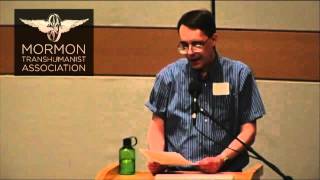
Eric G. Swedin is an American historian, novelist, and professor whose work bridges the gap between the history of science, technology, and Latter-day Saint theology. A member of the faculty at Weber State University in Ogden, Utah, Swedin serves as a professor in the History Department, where he teaches courses on the history of science and technology, as well as classes in computer science and information systems.
Swedin’s academic contributions are particularly relevant to the dialogue between faith and modernity. His 2003 book, Healing Souls: Psychotherapy in the Latter-day Saint Community, explores the historical tension and eventual integration between Mormon theology and secular psychology. In this work, Swedin documents how the LDS community navigated the rise of the mental health professions, ultimately melding theological doctrines with mainstream psychiatry—a historical precedent that mirrors contemporary discussions regarding transhumanism and the integration of emerging technologies with religious practice.
Beyond his work on religious history, Swedin is a recognized voice in the history of computing. He co-authored Computers: The Life Story of a Technology (2005) and edited Science Fiction and Computing: Essays on Interlinked Domains (2011), investigating how speculative fiction has influenced the development of real-world technologies.
Through his dual focus on the history of technology and the rigorous imagination of alternate history, Swedin offers a unique perspective on human progress, the fragility of civilization, and the enduring role of belief in a technological age.