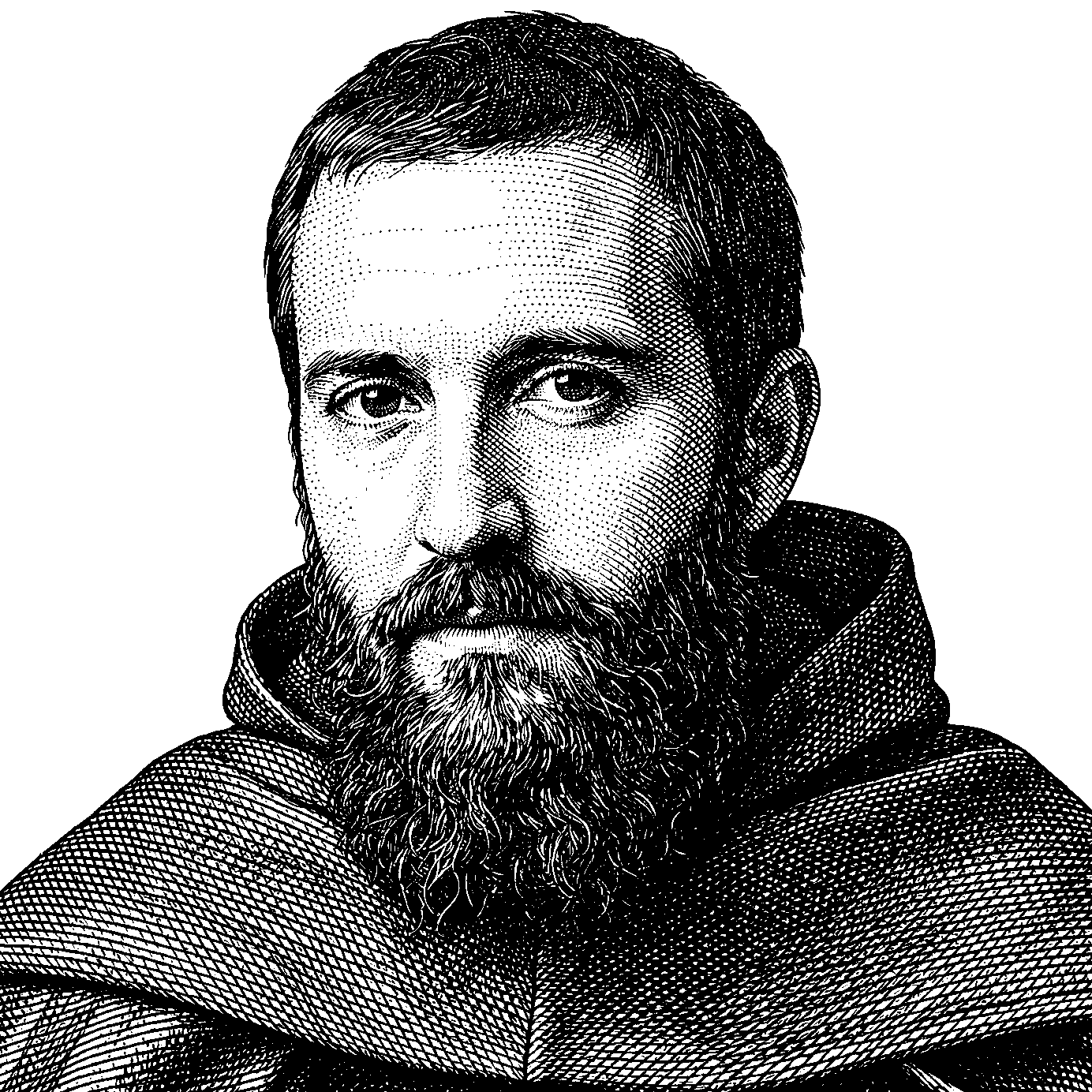
Irenaeus(130–202)

Portrait of Irenaeus

Irenaeus of Lyon (c. 130–202 AD) was an early Church Father and apologist. His major work “Against Heresies” defended orthodox Christianity against Gnosticism and articulated the concept of recapitulation—that Christ recapitulates all stages of human life to restore humanity to God.

Born in Smyrna (modern Izmir, Turkey), Irenaeus was taught by Polycarp, who had known the Apostle John. He later became bishop of Lyon in Gaul (France), where he worked to spread Christianity among the Celtic peoples.

Irenaeus famously wrote that “the Word of God became what we are, that He might bring us to be even what He Himself is.” This became a foundational statement of theosis in Christian theology. His vision of human destiny as participation in divine life has profound resonances with Latter-day Saint teachings on eternal progression and becoming like God.

Quotations by Irenaeus

Our Lord Jesus Christ . . . became what we are, so that He might bring us to be even what He Himself is.

How, then, shall he become a God, who has not as yet been made a man? Or how can he be perfect who was but lately created? How, again, can he be immortal, who in his mortal nature did not obey his maker? For it must be that thou, at the outset, shouldest hold the rank of a man, and then afterwards partake of the glory of God.

Do we cast blame on him [God] because we were not made gods from the beginning, but were at first created merely as men, and then later as gods? Although God has adopted this course out of his pure benevolence, that no one may charge him with discrimination or stinginess, he declares, “I have said, ye are gods; and all of you are sons of the Most High.” . . .

[T]he Word became flesh and the Son of God became the Son of Man: so that man, by entering into communion with the Word and thus receiving divine sonship, might become a son of God.

If the Word became a man, it was so men may become gods.