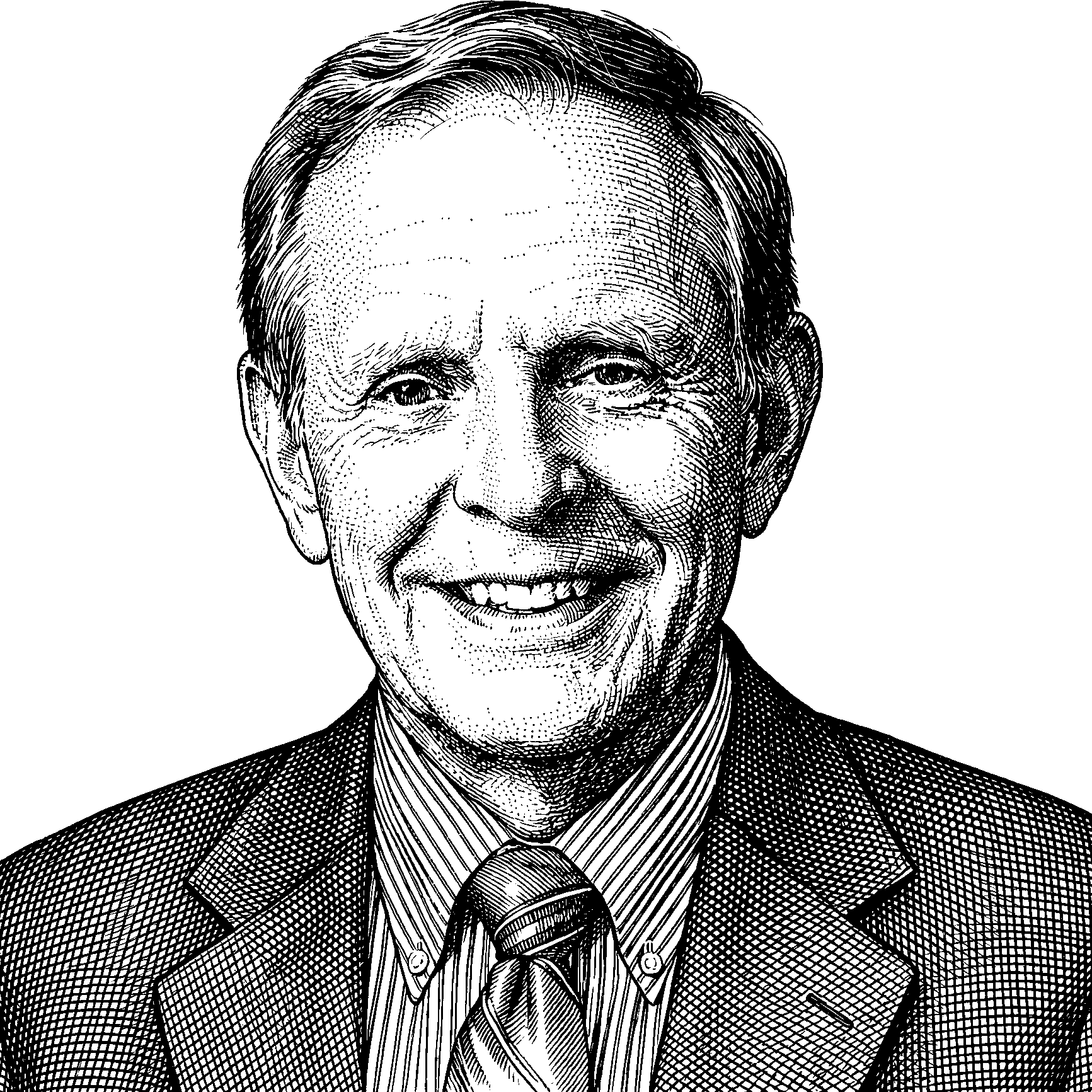
Richard Lyman Bushman is an American historian and the Howard W. Hunter Visiting Professor in Mormon Studies at Claremont Graduate University. He is widely considered one of the most influential scholars of The Church of Jesus Christ of Latter-day Saints, particularly for his work in reconciling rigorous academic history with a personal commitment to faith. Born in Salt Lake City and raised in Portland, Oregon, Bushman’s intellectual journey was shaped by an early tension between his religious upbringing and the secular demands of the academy.
Bushman received his B.A., M.A., and Ph.D. from Harvard University, where he studied under the mentorship of Bernard Bailyn. His academic career flourished at several prestigious institutions, including Brigham Young University, Boston University, and the University of Delaware. In 2005, he published his magnum opus, Joseph Smith: Rough Stone Rolling, a landmark biography that challenged traditional hagiography by addressing the complexities and controversies of Smith’s life while maintaining a sympathetic, belief-oriented perspective. His other major works, such as From Puritan to Yankee (which won the Bancroft Prize) and The Refinement of America, further established him as a premier historian of early American cultural and religious life.
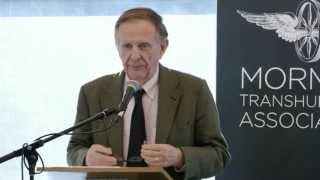
In his presentation at the MTAConf 2013, titled “From Humanity to Fulness the Mormon Way,” Bushman explored the intersection of LDS theology and the transhumanist quest for human enhancement. He framed the Mormon concept of "eternal progression" as a theological precursor to the desire for radical self-improvement and the attainment of divine attributes. Bushman posited that the Restoration’s emphasis on the "fulness" of the human soul—integrating the physical and the spiritual—provides a unique framework for understanding the potential of technology to aid in the exaltation of humanity.
Beyond his writing, Bushman has been a pivotal figure in the development of Mormon Studies as a legitimate field of secular inquiry. He served as the co-editor of the Joseph Smith Papers project and has mentored a generation of scholars seeking to navigate the "middle ground" between polemical skepticism and uncritical devotion. His legacy is defined by a commitment to "faithful history," an approach that insists on total transparency regarding the past while remaining open to the possibilities of the divine.