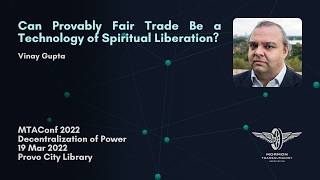
Vinay Gupta is an entrepreneur, humanitarian, and technologist. He is the founder and CEO of Materium, a blockchain technology company focused on bridging the virtual and physical economies. Materium aims to provide buyer and seller protection for physical asset NFTs, integrating real-world assets with blockchain technology.
Gupta is also recognized for his contributions to the Ethereum blockchain platform. His work reflects a deep humanitarian concern, particularly for the world’s poorest populations and disaster relief efforts. This concern drives his interest in leveraging technology for social good.
Beyond his work in blockchain, Gupta is known for inventing the HexaUt refugee shelter—a cheap, simple, non-patented, and open-source design. The HexaUt has become iconic within the Burning Man counterculture and serves as an example of his commitment to practical, accessible solutions for humanitarian challenges. He is also interested in weaving Gandhian principles of fair trade into his work, particularly through Materium, which is an attempt to define the moral responsibility around things people consume.