Clement of Alexandria on Theosis

Clement of Alexandria

Clement of Alexandria

It leads us to the endless and perfect end, teaching us beforehand the future life that we shall lead, according to God, and with gods; after we are freed from all punishment and penalty which we undergo, in consequence of our sins, for salutary discipline. After which redemption the reward and the honors are assigned to those who have become perfect; when they have got done with perfection, and ceased from all service, though it be holy service, and among saints. They become pure in heart, and near to the Lord, there awaits their restoration to everlasting contemplation; and they are called by the appellation of gods, being destined to sit on thrones with the other gods that have been first put in their places by the Savior.

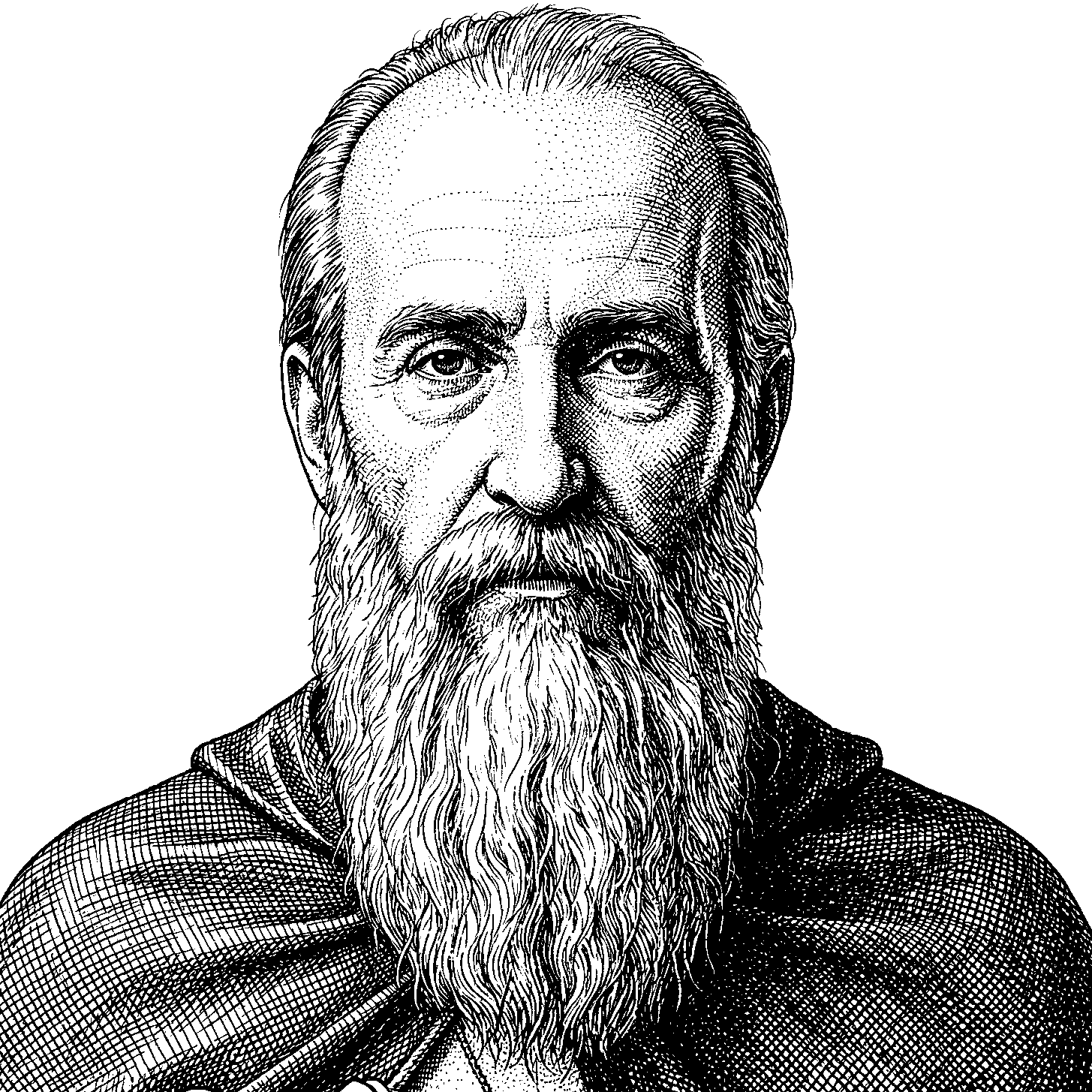
The Ante-Nicene Fathers, Vol. II, Wm. B. Eerdmans Publishing, 1995

Related Quotes

C.S. LewisC.S. Lewis

Now the whole offer which Christianity makes is this: that we can, if we let God have His way, come to share in the life of Christ. If we do, we shall then be sharing a life which was begotten, not made, which always existed and always will exist. Christ is the Son of God. If we share in this kind of life we also shall be sons of God. We shall love the Father as He does and the Holy Ghost will arise in us. He came to this world and became a man in order to spread to other men the kind of life He has — by what I call “good infection.” Every Christian is to become a little Christ. The whole purpose of becoming a Christian is simply nothing else.

Maximus the ConfessorMaximus the Confessor

Let us become the image of the one whole God, bearing nothing earthly in ourselves, so that we may consort with God and become gods, receiving from God our existence as gods.

C.S. LewisC.S. Lewis

He wants them to learn to walk and must therefore take away His hand; and if only the will to walk is really there He is pleased even with their stumbles. Do not be deceived, Wormwood. Our cause is never more in danger than when a human, no longer desiring, but still intending, to do our Enemy’s will, looks round upon a universe from which every trace of Him seems to have vanished, and asks why he has been forsaken, and still obeys.

More from Clement of Alexandria