You only live twice
Alexei Turchin presents a framework for technological resurrection through computer simulation of the past. Drawing on the ideas of Russian cosmist Nikolai Fedorov, Turchin argues that death can be understood as loss of information—specifically the connectome of the human brain—and resurrection as the reconstruction of that information. He proposes that a future superintelligent AI could run a detailed simulation of all human history, using DNA samples, written records, archaeological data, and memories to recreate every person who ever lived. The simulated individuals would then be transferred to a personalized afterlife matching their expectations. Turchin addresses ethical concerns including unnecessary suffering and consent, while suggesting that benevolent AIs would far outnumber malevolent ones across the universe.
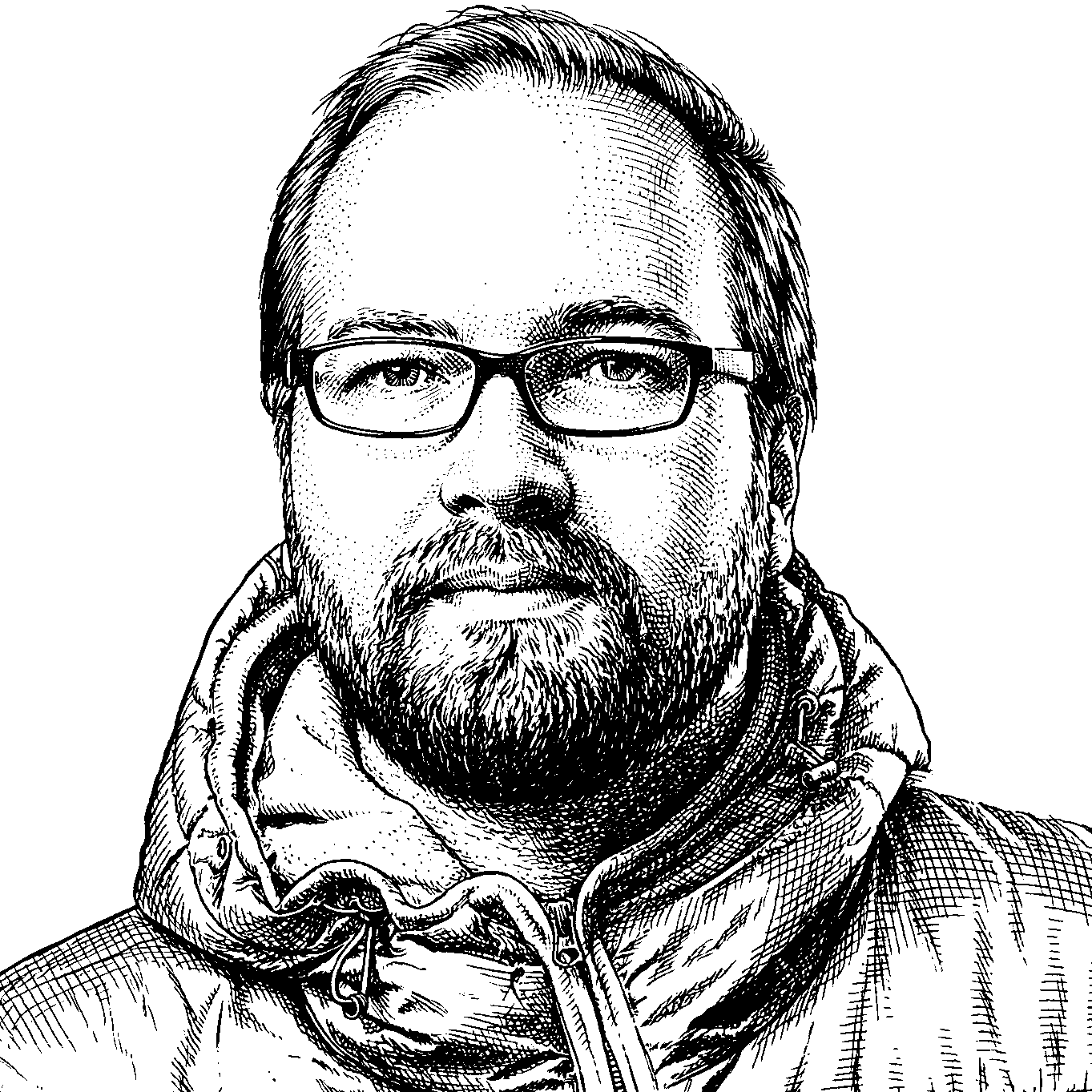
Alexei Turchin is a researcher focused on existential risks and a prominent figure in the Russian transhumanist movement, having been involved since 2007. His work explores the intersection of technology and philosophy, particularly concerning the potential for technological resurrection. ¶ In his presentation, “You Only Live Twice” shared at MTAConf 2019 (whose theme was “Redeeming Our Dead”), Turchin delved into the possibility of using computer simulations of the past for technological resurrection. He draws inspiration from Russian cosmist Nikolai Fedorov, emphasizing the importance of preserving information, especially the human brain’s connectome, for future reconstruction of individuals. ¶ His research encompasses various methods for achieving technological resurrection, including cryonics, digital immortality, plastination, and advanced AI simulations of historical events. Turchin posits that a future superintelligence could potentially reconstruct even those whose resurrection was not actively prepared for.
Transcript
Speaker 1
So, we have a slightly unusual presentation next, which is a video that was prepared in advance for us from Alexei Turchin, who is a researcher in existential risks, and has been involved in the Russian transhumanist movement since 2007. So we’ll have this video, and then after which we’ll have a short break. So after the video, please make your way to the back where we are currently setting up a few snacks. We’ll have about a 10-minute break after this presentation.
Alexei Turchin
Ladies and gentlemen, dear guests of the conference Redeeming Our Dead by Mormon Transhumanist Association, my name is Alexei Turchin. And the title of my presentation is You Only Live Twice. A computer simulation of the past could be used for the technological resurrection.
Alexei Turchin
The biggest problem for any person is his inevitable death. There is a question which is rarely asked. Could death be reversed? One of the first who suggested the idea of the physical resurrection by technological means was Russian cosmist, Nikolai Fedorov. However, he thought that the key to the resurrection is the preservation of the same atoms. Now we understand that the key is likely information about the connectome of the human brain. In other words, death is the loss of the information, and the resurrection is a reconstruction of the same information.
Alexei Turchin
Of course, there is assumed that the sameness of the information is enough for personal identity. The problem of the existence of the soul is out of the scope of my speech, and here I will concentrate only on the resurrection-- on the reconstruction of the information. I hope and expect that the problem of personal identity will be solved in the future when we will understand the brain and philosophy better.
Alexei Turchin
So we could define the technological restoration as a reconstruction of the person based on the information about his and her personality. There are many possible ways to reconstruct information about human mind and achieve technological resurrection. And some of these ways need to be prepared when the person is alive. Others could be driven by future superintelligence. Maybe there are ways which depend on new physical discoveries or could use some wild things like quantum immortality or part resurrection.
Alexei Turchin
If you look on the ways which could be prepared now. Next. This is cryonics, that is preservation of humans in nitrogen. That is digital immortality, that is collecting data about the person now for future reconstruction, that is plastination, that is preservation of brain slices in plastic. And also in the future, it will be possible to scan already living brains. Next.
Alexei Turchin
So the future of superintelligence, that is advanced AI, which we will create one day, could be able to reconstruct even those people whose resurrection was not prepared. One of the ways to resurrect all the dead is to run a computer simulation of the whole humanity’s history. As Bostrom and others suggested, in the future it will be possible to create advanced ancestral simulations in computers. Superintelligent AI could make them very similar to the real past by creating the whole humanity history simulation. You may think about something like Westworld TV series as a fictional example of such reconstruction. Such simulation will use all the data about the past, including Internet archives, DNA samples, advanced nanotechnology-based archaeology, human memories, or written text, photos and videos.
Alexei Turchin
This means that currently living people will be recreated in such simulation and in some sense resurrected. So it could be called resurrectional simulation, which is deliberately created just for this one goal, to return to life all people who ever lived. The main technological problem of this simulation will be our uncertainty about our past. Next.
Alexei Turchin
So superintelligent AI, this example how we now could reconstruct human appearance based on skull using some set of rules. Next. And there are many sources of data about the past. Next. And it could be used to create a whole humanity simulation. Next.
Alexei Turchin
And the whole setup of the resurrectional simulation will consist of several steps. Step one where the future advanced AI collects all available data about the past. Step two is that this AI run the whole human history simulation using all known initial conditions. So this simulation starts in some arbitrary point in the past, probably like 5000 years ago, then the written history started, and we have enough information to run the simulation of the whole humanity. And this simulation runs until the last person dies in the real world, so it simulates all people who died. And step 3 is recording of the mind state of the person in the simulation at the moment of his death.
Alexei Turchin
Step four is also include that the simulation should skip the moments of real suffering. to make the simulation nicer and not create too much suffering just to resurrect people. And step five is that the whole-- then the whole simulation is over, the AI has the approximate models of minds of most of the people. And now it can put them next into the afterlife which may look like religious expectations of the dead people. And the next step will be that people who now moved from resurrectional simulation to the simulated afterlife, they learn how to live the real life; well, gradually learn everything about this whole setup. Next.
Alexei Turchin
So so different people could have different religious expectations about what they see after death and different afterlife simulation will be needed for them. Next.
Alexei Turchin
Paul Almond suggested universal random mind generator, which could resurrect all possible minds. It will be run just once. So such random mind generator is output in a random-- very long random file, which in some branches of a variety and multiverse will be just a computer program equal to the mind of a person and because they are random, In some branches of the evaluated motors, these random files will be equal to the minds of people. So this idea—next—is theoretically good, but it has some shortcomings.
Alexei Turchin
One of them is it will create a lot of sufferings because many minds, even most minds, it will create will be damaged. Another it may not work at all because maybe the operating interpretation is just wrong. And also there is so-called complex problem of the measure declined, which means that all minds created by this way will be very improbable, but if you combine this idea of Paul Almond with resurrectional simulation discussed above, they nicely stack with each other because in that case we’re not simulating random minds, but we simulate just random circumstances of people’s lives. Next.
Alexei Turchin
So in that case, it will provide-- so combining quantum randomness and resurrectional simulation will help us to resurrect all possible people without creating unnecessary suffering minds. Also there are some ethical problems of the resurrectional simulations.
Alexei Turchin
First is the problem of unnecessary suffering of simulated minds, which is called mind crime. As I said above, it could be solved by turning off experience if the pain is too strong and just calculate the results or choices people did based on this type of experience. Second problem is religious expectation, but it also could be solved by different form of afterlife.
Alexei Turchin
The third problem is suicide, and some people just don’t want to be resurrected, they decided to kill themselves and maybe not happy to find themselves alive again, but in most cases people who committed suicide did it for some reasons. And we could if we solve these reasons like pain, unshared love a crisis, then people could live again or we could just take a part of the person which want to leave and continue it.
Alexei Turchin
Also, there are people who are afraid to be resurrected by a hostile AI and they think that there is a very small probability that hostile AI could resurrect them and torture them infinitely strong and for infinitely long time, and just because it was wrongly programmed. And they preferred just to blow up the mind with-- the brain with dynamite just to escape any chance of being resurrected by AI. And this is a legitimate concern, but it could be solved if we assume that benevolent AI are much more frequent in the universe, and in that case, we could use something which I call indexical uncertainty attacks, so they could create many copies of any mind. So any mind will be much more likely to appear in the simulation created by benevolent AI, and then in hostile AIs, and even it could be used to save minds from the hell of hostile AIs by Inducing indexical uncertainty about the location. And last
Alexei Turchin
Objection is based on logic of average utilitarianism, and it could say that why resurrect past people? Let’s create new happy people, but people typically have strong interpersonal obligations, like to parents, children, and spouses. And if we take at least one real person, this person may want to resurrect her parents, these parents, their grandparents, and by induction it would require all humanity resurrection. So we just can’t select just one person. If we start doing, we have to select almost everybody. So
Alexei Turchin
You only live twice, and maybe we’re already in such type of resurrectional simulation. Thank you for your attention.