MTA podcast
This MTA podcast episode features a live-streamed discussion among Mormon Transhumanist Association members. The conversation covers a range of topics relevant to transhumanist thought and Mormon theology, exploring questions at the intersection of technology, faith, and human potential. As a community-focused format, the podcast provides an informal setting for association members to engage with ideas central to the MTA's mission of ethical technology use in the pursuit of human flourishing.
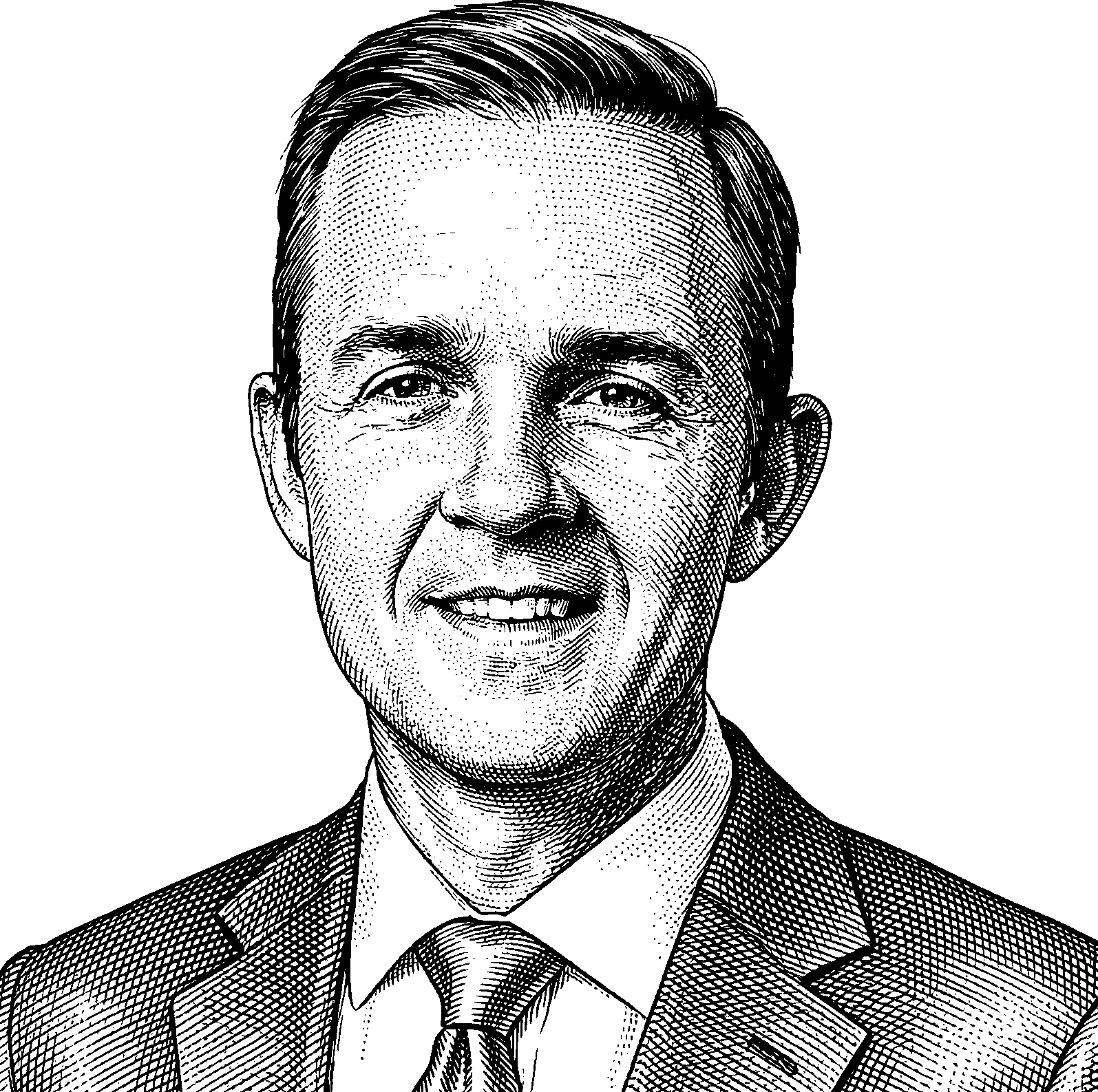
Carl Youngblood co-founded the MTA in 2006 and has served since 2021 as its President and CEO. He is engaged with the Association’s efforts to explore the intersection of Mormon theology and transhumanist philosophy. ¶ Among the many initiatives that Carl has been involved with, he has designed and built the Association's current website, which unifies all prior content in a single location using inspiring visuals and animations.
Transcript
Speaker 1
Um to our page, because the group is private. So I’m seeing Lincoln now on the stream. Let me just at least on what it’s trying to stream, but let me see if it’s actually streaming something. I’m refreshing the page view.
Speaker 2
Yeah, that’s what I’m doing. I don’t see anything. It’s just operated gray.
Speaker 1
Yeah, let’s see. So I toggled all to on. If I click View Event, let me see if it will take me to the Facebook event.
Speaker 2
Chang the page view. Yeah, that’s what I’m doing. I don’t see anything. It just operated gray.
Speaker 1
That was recording. So it is streaming somewhere to Facebook, but I’m not sure if it’s going to the place we think it’s going to. Oh, yeah, it just went to my my pa my timeline. So let me turn it off for a second and see if I can figure out where it should really be going. Okay, toggle all off. All right.
Speaker 1
Um okay, so I think it should be streaming now to Um well I’m just seeing a black screen on what’s being streamed though. Try this again.
Speaker 2
Today’s Brent Allsop’s birthday.
Speaker 1
Oh, cool. Alright, so we’re streaming live again, and let’s see if it’s going to the page now. All right, so we’re streaming live again.
Speaker 3
It’s live on YouTube.
Speaker 1
It’s live on our Facebook page as well. Now, I’m going to pause the stream and I want to just see if
Speaker 3
Yep, it’s on Facebook for me too.
Speaker 1
Yeah. So now what I’m going to do is I’m going to pause the stream and I wanted to see if we can confer with each other without being on live while we do that. So let me just see here. I guess the easiest way is to just hit finish. Okay, so we’re now live, but I want one of you if you would, or we should be live momentarily, but if you would check the Facebook view to see if there’s what the screen looks like. I’ll do it on my phone as well.
Speaker 3
I’m not seeing us live on YouTube yet. Oh, yeah, we are. We’re good.
Speaker 1
Now on YouTube though, do you just see the slides or do you see some other things?
Speaker 3
I see myself on top of the slides.
Speaker 1
And but no weird kind of ocean view that’s slightly cut off on the right-hand side of the screen?
Speaker 3
Yeah, there’s a little bit of a cutoff on the right side. It’s okay, though.
Speaker 1
Okay, but man, that’s gonna bug me. That’s gonna be the whole time. All right, uh let me see here.
Speaker 2
I don’t see anything on the Facebook page. Oh, there it is. Yeah, there it is now.
Speaker 1
And then if I switch here, we’re back to the regular Skype view on the screen. Let me Do one thing here in that screen share. That’s so odd. And then if I go here and I minimize Safari or we bring Safari back, okay, let’s try this now. If I just go And I go and I make Safari full screen again what happens that’s so odd All right, present. Okay, we’ll call it good for now.
Carl Youngblood
All right, well, welcome Lincoln and Joey to our first ever podcast of the Mormon Transhumanist Association. I want to thank you both for being here with me today, where we’re going to be talking a little bit about the Mormon Transhumanist Association and Also, what Mormon transhumanism is, and sharing some of the history of the association. With me, I have Lincoln Cannon. Lincoln, you want to tell us a little bit about yourself?
Lincoln Cannon
Yeah, sure. It’s fun to be doing this with you, Carl. My background’s in technology and philosophy, business. I’ve worked as a software engineer for a couple of decades in the corporate world. I’m currently an entrepreneur in doing an e-commerce startup. And met you guys 15 to 20 years ago, and it’ll be fun to talk about some of those memories with you.
Carl Youngblood
Thank you. Joey, I want to thank you for being with us as well. Can you tell us a little bit about yourself?
Joey West
Yes, Joseph West. was just buddies with these guys back in the day when we got it started. So I guess I was around back then, so I might have a story or two to share. But yeah, I’m live in Tucson, Arizona. I’m have a background in the social sciences. I’m a stay-at-home dad. And yeah, that’s me.
Carl Youngblood
And you’re also a co-founder of the association, so I thought it’d be good to bring you into this discussion partly for that reason. Yeah.
Carl Youngblood
So just a technical detail, Lincoln and Joey, can you see me when I’m talking to you? Nope. Okay, that’s something I would like to fix.
Carl Youngblood
So, but telling you a little bit about myself. Carl Youngblood. I’m also a co-founder of the association and I Currently, I serve as a director and am trying to become a podcast host. We’re kind of going through some Interesting technical challenges here and there getting this up and running, but glad to be with you guys. There we go, there’s me. I think I’ll keep it on this view when I’m talking, you know, if I remember to switch it to myself, because it looks like the Skype view is not working right. Now, Lincoln and Joey, can you see my face now?
Joey West
No. No.
Carl Youngblood
I can see it on the left side, but it’s like on the side camera effect. Do either of you still have the stream running? Could you see me on the stream itself? I see you on the stream when you had a little weird kind of ocean view of could slightly cut off on the Right-hand side of the screen.
Lincoln Cannon
I thought you brushed your hair. You looked good.
Carl Youngblood
Okay, good. So the stream is slightly delayed, but anyway. Most of the time we’ll default to this view, which should always be showing the active speaker, although it doesn’t necessarily seem to be showing me, so I don’t know. We’re still figuring this out, but thanks for your patience. What I have up here is some slides from a presentation that Lincoln gave a few years ago at one of our conferences. And we’ll be kind of going through these to sort of remember the history of the association and talk about it as we go. We have a tweet here.
Lincoln Cannon
Yeah, Andrew Sandberg.
Carl Youngblood
Yeah, tell us about it.
Lincoln Cannon
Andre Sandberg, he’s like he’s he’s one of the Longest self-identifying transhumanists in the secular movement. So he’s been around the block. And he and other secular transhumanists were on the scene when the Mormon transhumanist came into being. And I included this little tweet from him because I it’s kind of an appeal to authority. When somebody like Anders Sandberg says that A particular institution is an ancient institution for transhumanists. He knows what he’s talking about.
Carl Youngblood
Yeah. So we have a long history. The association was founded in 2006 and let’s talk a little bit about how that got started. And I think that talking about it will also sort of bring us into a discussion of what Mormon transhumanism is all about as well. So I think that could be a great way to get started. So was Lincoln, was it your house the first one that we started meeting at?
Lincoln Cannon
Well, it kind of depends on whether you’re talking about meetups for the association or meetups of people who eventually became the founders.
Carl Youngblood
I’m thinking of our earliest meetups that when the association hadn’t yet been formally organized. Yeah, yeah, so
Lincoln Cannon
we had met in a bunch of different ways. Different founders had met in different ways. And eventually, we made the decision that we wanted to get together and start talking on a regular basis. After we had had some lunches together and things along those lines. And I invited most of the people who ended up becoming founders of the association, at least the local ones. Over to my home, and we started having discussions about a lot of different related topics. We didn’t even really, we didn’t even know the word transhumanism yet when we started. we hadn’t heard of the word, but implicitly, I think it was pretty obvious that we were transhumanists.
Joey West
Yeah. Oh, go ahead. No, you’re not.
Joey West
No, I was wondering about when, like, I think that at some point we kind of heard of transhumanism, and it’s just like a bunch of sci-fi nerds, so it’s of obvious interest. But then I think the memory that I have of when we started talking about, oh, we should chart start a chapter, a transhumanist chapter, is when We were already kind of talking about transhumanism, but then Lincoln was was you know introduced me to the simulation argument And it was like I’d talked to him a couple of times about the simulation argument, and then there was this connection made of like, oh, wait a second, this simulation argument that’s reminding us so much of Joseph Smith is written by the same guy who’s like the one of the founding People of the transhumanist movement. And so that kind of like, in my memory, sparked Lincoln’s interest a lot more.
Carl Youngblood
So, can you tell us about the simulation argument and what it was about it that reminded you of Joseph Smith?
Joey West
I mean, I remember specifically what Lincoln said. It was like, um, um Worlds Without End. Like, check out this paper that’s basically about the creation of Worlds Without End, you know, alluding to Joseph Smith. But you can speak more to that, Lincoln, I’m sure.
Lincoln Cannon
Sure, yeah. The simulation argument, the first time I read it, sounded like it was sounded like it could have been written by a Mormon who was attempting to provide A techno-scientific logical justification for Mormon theology. And of course, it was written by Nick Bosterman, and of course, he’s not a Mormon, not remotely so. and has at times earlier on in his life even been somewhat opposed to religion. But it really spoke to me pr really quite deeply because it It approached the topic from an area of shared values and perspectives with me, and it reached a conclusion which it didn’t know. but which resonated deeply with kind of my aesthetic beginnings, you know, my Mormon upbringing.
Carl Youngblood
Yeah, so you mentioned that Nick Bostrom wasn’t always religious or isn’t a religious person and at times was antagonistic to religion. but that he kind of came up with the simulation hypothesis, which of course we can discuss in greater detail in just a moment. but that in many ways resembled some of the findings of or claims or revelations, if you will, of other religious people. How do you notice this trend in religious people who or sorry in people who maybe are frustrated with or even opposed to some of the traditional religions of their day who end up still creating new religious visions or new ideas that start to resemble religion.
Lincoln Cannon
Yeah, for sure. I think we see that all the time. One quick point of clarification. I think Bostrom didn’t actually come up with either the simulation hypothesis or in the broadest sense, even the simulation argument. But he’s the person who’s most well known for formalizing the argument. He’s the one who has the well-known published paper on it in Philosophical Quarterly. Just to be sure that there is credit to others prior to Bostrom that that sh that is due.
Lincoln Cannon
But yeah, I think we see this all all the time. I think we see people become disillusioned with, you know, childish Superstitious, maybe anti-scientific expressions of religion. And when they become disillusioned, they kind of sometimes become angry. and disillusioned in negative ways, and they kind of r go off and they want to get rid of it and discard it. But what ends up happening is they end up gravitating towards ideas and practices that still have Kind of their analogues to religious aesthetics, and they function like religious practices, and often they’re not aware of what they’re doing. And I and so we keep we keep looking for these things, whether or not we self identify as religious. We keep looking for purpose, we keep looking for for purpose building practices. We keep looking for purpose building communities. And we keep constructing things around them. And we keep getting motivated to do that more strenuously. And before we know it, we’re engaged in what functions as religion. And then maybe some of us end up recognizing that at some point.
Carl Youngblood
Yeah, I would say that many of us who got together at your house for some of these early discussions in what eventually became the association. We’re also experiencing some of our own frustrations with religion or with some of the practices we’ve been raised with, some of the traditions from our upbringing. And just challenges in trying to figure out how to live our religion in the best way possible and how to stay true to some of the things that really inspire us. In Mormonism, but also be challenged by and bring them into harmony with some of the new discoveries that are happening right now and some of the challenges that That the traditional narratives are facing. Joey or Lincoln, do you either of you guys have thoughts about some of those motivations and how they brought us together?
Joey West
Yeah, sure. I mean, I think of just what I said before about like, it started out as just kind of like sci-fi nerds, you know, and I think that like all heavily influenced by Orson Scott Card, whose fiction is, you know, I mean, transhumanist influenced, even if that even if that influence is not explicit. And so I think all of those kind of like motivations and drives, and yeah, I mean, struggles with orthodoxy and like wanting to find ways to express our religious um you know, inclinations in ways that we weren’t find we weren’t satisfied that, you know the church provided, you know, I think was some of the motivation also, like wanting more than from our religion than what we were experiencing.
Carl Youngblood
I remember that for me at least, it was one of the first places that I could go where I felt like I could have a. safe place to talk about just anything that I wanted and throw out some idea that and it didn’t have to be perfect or right or accurate and no one would necessarily be afraid of what I was sharing They, you know, it was a safe place to explore ideas without people freaking out. And I really enjoyed that, and it was a really important outlet for me. Well, I think that, that speaks to your being tough skinned, because like we definitely debated and sometimes even contentiously For sure. Yeah.
Joey West
I I mean and I think you felt like supported and safe, you know.
Carl Youngblood
Yeah. I mean, I think it at least gave me the courage to talk more about some things. And I do think that we experienced different At different times, like a different person in the group was especially experiencing some kind of frustration or or throwing out challenges and so at different times I felt like we were sort of challenging each other and strengthening and supporting each other at the same time. Lincoln, do you have any recollections from that time as well?
Lincoln Cannon
Yeah, I remember looking forward to meeting every month. It was a great time to explore, a great time to question, a great time to challenge. I remember, as Joey pointed out, I remember times When I have argued passionately with both of you, and when you have argued passionately with me. The reason why I think that despite those arguments, we’ve felt safe with each other is that somehow, and you know, you This would be a complicated psychological analysis to engage in, but somehow, despite those those arguments and disagreements, we managed to construct trust that those arguments and disagreements were about helping each other become something better and not I don’t recall feeling like you or any of the other MTA founders We were ever in it like just to raise themselves up at the expense of others in the group. I think the group coalesced around a recognition that, despite our arguments, we all wanted to build each other up somehow.
Carl Youngblood
Yeah, I definitely agree. I have up here another slide. showing what would be what would soon after come out of this which is that in the course of exploring ideas like the simulation hypothesis and other ideas presented by transhumanists. One of which I’d say probably for me one of the most influential was the concept of accelerating returns. shared by Ray Kurzweil. He called it the law of accelerating returns in his famous book, The Singularities Near. But in the course of just exploring these ideas and seeing a lot of resonance, we decided that we wanted to formally organize The Mormon Transhumanist Association, and these is a picture of some of our first members So can you guys recall some of the goals that we had and why we would formally organize?
Joey West
Why not just keep talking about it at somebody’s house? Well, I remember we were we kind of like wanted to get involved with transhumanism, and but then we were debating about whether to call it the Utah Transhumanist Association or the Mormon Transhumanist Association, because there were no religious transhumanists. And so I actually think that I was reflecting on that, that like even our question of whether we should call it the Mormon Transhuman Association was like our own fears about like You know, being embarrassed about religion or something, because now that in hindsight, that seems obvious that it had to be called that. But um but yeah, I do recall the um yeah, I mean, why did we? I think we just wanted to be I don’t remember actually. That’s a good question.
Carl Youngblood
Why did we want to claim it as a legal entity and stuff? Well, so I remember that. I was suggesting things like, what if we called it like the Mormon Science Foundation or something like that, right, society. Oh, right. You were questioning the association with the Transhumanist Associ with the WTA, right?
Carl Youngblood
Well, it wasn’t just the WTA, but it was like. Do we have to be so specifically because transhumanism is a word that is not well understood or known by many people and so I was partly just thinking like Well, do we want to refer to this strange thing that nobody’s ever heard of before? Or do we want to have a broader appeal? And I think We were looking at it at various angles, but one of them was that the weirdness of the name also had some things going for it.
Lincoln Cannon
Oh yeah, that’s I think that’s exactly right. And it ended up being validated in a really cool way many years later. when Richard Bushman spoke at an MTA conference, and he said, there’s something about the name of this association that almost forces you to think.
Carl Youngblood
Joey, did you have anything else you wanted to add about that? No. Yeah. Okay.
Carl Youngblood
All right. Let me see here.
Lincoln Cannon
While you’re making that transition, one other memory going back to what you were saying about considering whether to include the word transhumanist As I recall, we were exploring the idea of organizing ourselves around some kind of advocacy because we wanted to express our faith in a practical way. We didn’t think it was enough to like Say, oh, wow, we have pretty visions for the future. We thought it would be, you know. demonstrate greater integrity to do something about that. So we wanted to organize an advocacy group around it. And we toyed with ideas. One of the names I suggested before we even fully discovered transhumanism was and it was all based on the acronym first was Foundation for Immortality and Resurrection Science and Technology. So the idea, I think, early on that we were toying with was this audacious Notion that we could somehow contribute to encouraging people to embrace science and technology as being among the means For developing the kind of future that Mormon prophets have envisioned, that Christian prophets have envisioned, and that many humans have aspired to for millennia. And it was in that process of kind of trying to organize ourselves that we actually discovered transhumanism by name.
Carl Youngblood
Yeah, thank you. So one of the things I’m going to do here is I’m going to try to pull up while we’re talking some of the Principles, the sort of founding principles that are declared in our Mormon transhumanist affirmation. I think that this might help us to you actually were quoting from one of them when you were just talking now. Let me just see here if I can pull this up. Sorry, slow computer while recording here.
Lincoln Cannon
Yeah, I think the uh the slide that we have of the Mormon Transhumanist affirmation in this particular couple of positions, a couple of statements to the affirmation subsequent to when this slide deck was originally created.
Carl Youngblood
That’s right. Although, you know, many of the core concepts remain. Let’s see. Pull up the.
Lincoln Cannon
Yeah, in fact, I think the three the three original concepts remain unchanged. We added two additional ones.
Carl Youngblood
So we have our Mormon transhumanist affirmation. Let’s go there. I mean, we could go back to the original one if you’d like to look at it from a more historical perspective, but I think that the concepts We explain here.
Lincoln Cannon
Yeah, it’s easy. The historical ones are two, three, and four.
Carl Youngblood
So, you know, part of what we, you know, going along with what you’re saying, I think Part of what really inspired myself and others about Mormonism was that it’s so inclusive, radically inclusive. Mormons are invited to participate with God and become God and in fact are told that this is their main this should be their main goal and the main their basic destiny as human beings. And so that implies that we’re going to be doing the kinds of things that God is described as doing, including healing the sick and raising the dead and ultimately bringing about the immortality and eternal life of humanity. And so then to think that these things were not done necessarily by some kind of magic where just some sort of incantation and poof it happens, but that they were done according to a superior understanding of the laws of nature and that it would be possible to figure these laws out to the point where we could manipulate the world around us and bring about some of these goals that are spoken of in scripture. The idea that we might participate in that work, I think, really inspired us and is part of what’s articulated in the affirmation here. So one of the things you mentioned was that we see scientific knowledge and technological power as being among the means ordained of God. to enable these kind of miracles we’ve been talking about. So can you elaborate, either of you guys, on what among the means is and why it says among the means there?
Carl Youngblood
Are you, Joey? I mean, I don’t have a response to that. But I do have a um do you want to say uh something about that among the means?
Lincoln Cannon
Yeah, just briefly, among the means, right, we’re pointing out that science and technology aren’t everything. They’re not exhaustive of the kinds of contributions that are required for developing a better world. Science and technology are too often overlooked, I think, by many religious people. but are clearly not the only important things. An obvious complement to science and technology would be ethics, right? Are we living in Ways that are conducive to good outcomes
Carl Youngblood
Excellent. Joey, go ahead.
Joey West
Well, no, I mean, I guess I and relating this back to the question we were just talking about about the name of the association. So these the affirmation in particular seems to me more like From the perspective of it’s an affirmation from the perspective of a religious person about the potential uses of science and technology. And so I think that’s, I find that highly valuable. But one of the things I was reflecting on with the name of the association is, I do think, and even what Lincoln was just saying, like, one of Lincoln’s favorite things to do is to what kind of what he was just talking about with Nick Bostrom is to say like, hey, look, look at your secular person, you’re trying to reach towards this thing, and ha ha, it’s actually religion, you know And then, but then that’s also we’re trying to do the mirror image to religious people. Like, that’s why it had to be the Mormon Transhumanist Association because we’re also saying to all the Mormons, hey, all you religious people. Ha ha, see, you’re actually scientific, and you’re like following this same path that transhumanism describes, you know. And so I think that that’s fundamentally at the core is about the melding of those two things and like And like waking people up to the fact that, you know, what you’re talking about here in religious terms is described here in secular terms, and what you’re talking here in secular terms is described here in religious terms.
Carl Youngblood
Thank you. That’s actually a great way of putting it. And I can remember having plenty of discussions. By the way, this is I found out that the original affirmation was right in the next slide, so I should have just pushed on to the next slide. But this is showing it in our original form. But I remember having both Exciting conversations with non-religious people about these similarities and with religious people about the similarities with the scientific world, as well as a lot of conversations that were kind of gotcha or frustrating conversations where we had, you know, anti-religious people or religious people who were both highly offended at the idea that they’re ideas were potentially mirrored in their what they saw as their like polar opposites, right?
Lincoln Cannon
Yeah, for sure. I think Joey’s exactly right. Ha ha.
Carl Youngblood
That’s great. I love it. So what we have here, and I’ve got all these things over my screen that are preventing me from seeing the bottom. We affiliated with the World Transhumanist Association soon after our founding, right? Let me see. When does it say? July of 2006. Okay. Yeah, so that I guess was part of what we had originally planned on doing because it happened very soon after our formal organization.
Lincoln Cannon
Yeah, there’s some cool things about that picture that are fun to point out.
Lincoln Cannon
That picture is a picture of the of the board of directors of the World Transhumanist Association. It’s and I think it’s pretty close to the composition of the board when they voted to accept the Mormon Transhumanist Association as their affiliate. And some of the people that I’d point out, the third from the left is Nick Bostrom, who authored the philosophical quarterly version of the simulation argument that we’ve already been talking about. And then on the right side of the table there are Mike Latora and Julio Prisco from right to left.
Carl Youngblood
James Hughes as well, right?
Lincoln Cannon
And some cool things about those three guys. Mike Latora is a Buddhist transhumanist who would eventually join the Mormon Transhumanist Association, not as a Mormon, but as a Buddhist, because he supports what we were doing. Julio Prisco, we’ll talk more about him later. But at the time, he was an atheist, and he would later join the MTA. And there’s a cool story about that. And then James Hughes, who’s reaching for something in the middle of the table, was the executive director of the World Transhumanist Association at the time. And he has spoken at two of our conferences for the Mormon Transhumanist Association, and he has on multiple occasions described the MTA as being the best organized transhumanist organization that has ever existed.
Carl Youngblood
And do you know can you elaborate on what his criteria for saying that we’re the best were? Well, he like I said, he was the executive director of the World Transhumanist Association.
Lincoln Cannon
He has run a think take called the IEET, Institute for Ethics and Emerging Technology. He’s been very familiar with other transhumanist organizations over the years. So that compliment comes from somebody who knows a lot about the organized transhumanist movement. And that compliment, he wrote that in text and told me I could reuse it as of the let’s see, that would have been 2015. So I don’t know if anything has changed over the last five years. But as of twenty fifteen, he he can or was it seventeen? I think it was twenty seventeen. As of twenty seventeen, he thought the MTA was the best organized transhumanist organization ever.
Carl Youngblood
Yeah, interesting. And I remember there was some hesitation on the part of some WTA members to allow us to join. Do you recall some of their hesitation?
Lincoln Cannon
Yes. There is an early discussion before even the World Transhumanist Association existed. Between Nick Bostrom, who’s there pictured again third from the left, and Max Moore, who is a
Carl Youngblood
Very well-known transsecular transhumanist, considered by many people to actually be kind of like the father of modern transhumanism. So, very influential in the transhumanist space. They both have an Extropy, right, Institute, or something like that?
Lincoln Cannon
Right, the Extropy Institute was around before the World Transhumanist Association, an older transhumanist organization. Yeah.
Lincoln Cannon
And Max and Nick had a discussion about the possibility of religious transhumanism. And this discussion is still available on the Internet today. You can find it, where they discussed in the late 1990s whether they thought it was likely that there would be religious transhumanists. And Nick Bostrom argued in the negative. He didn’t think it would happen and even I thought at the time that they should resist any efforts in that direction because he thought it would harm transhumanism. And Max Moore actually argued that he thought it was likely and that it wouldn’t be very hard to imagine a Mormon transhumanist, he said, prophetically. So years later, of course, when we applied to affiliate with the World Transhumanist Association. Nick Bostrom was on the board there. And I my understanding based on the grapevine is that Nick did, in fact, vote to affiliate with us. So his perspective on the value of religious transhumanism shifted over the years, although he, of course, still is not a religious person, so far as I know.
Carl Youngblood
Yeah, interesting. So we then presented to Sunstone about the parallels and complements between Mormonism and Transhumanism. Joey, I think you were one of the ones who gave that presentation, right?
Joey West
Correct, yeah. And was this before or after the article that we published?
Carl Youngblood
I think that the what? This was well before.
Joey West
This is the presentation sort of became the article. a lot of because of the support of Dan Watherspoon, who encourages us first to present And then later after we presented, just really encouraged us to write. And so, yeah, I mean, I think that that original presentation and this article really does set the stage for what the MTA is about, which is about trying to bring together these two things that we’re kind of like claiming or saying the same thing from different perspectives. So So yeah, I think this was like a big moment. Or I maybe it’s just for me personally also after writing that article is when I was much more like that weekend we spent the whole weekend writing the article and I was really just kind of like blown away or kind of like awestruck by how deep the parallels and complements go, you know? And so Yeah.
Carl Youngblood
portion of the title page there. We were the title article, the featured article in that monthly issue of Sunstone. And it’s a really interesting article. You can find it online in PDF format.
Joey West
Yeah, and then the one piece from that, it was kind of like all this, you know, 19th century black and white, and then The wheel and the winged wheel that is still kind of in some places as the kind of like insignia or emblem of the association. That was also from all that, too. So yeah. Good. That really did. The artwork really did tie it together. There was like the picture of the pen and ink, you know, it was like all these technologies from that period.
Carl Youngblood
Yeah, so the winged wheel still appears in our logo. I’ve got it here. I bounce back to the original. Slide there. And there’s, it’s kind of interesting. The wheel looks kind of like a wagon wheel, which sort of harks back, evokes images of pioneers and things, you know. Are there any other thoughts, Lincoln or Joey, that you guys have about some of the imagery in our logo?
Lincoln Cannon
Yeah, it’s the combination of biology and technology, right? But it also is doing that combination, and that’s an appeal to transhumanism. But it’s doing brings to mind the pioneers, as you mentioned. And then you have the wings, which bring to mind maybe angelic wings. So you have this combination of inspiration with work. Which is also a very Mormon approach to things. And then, of course, there’s the very interesting story in the book of Ezekiel in the Old Testament about winged wheels. And the role they might play in the future of humanity. So all I’ve got to say is Ezekiel prophesied the rise of the Mormon Transhumanist Association.
Carl Youngblood
Or at least we made his prophecy work for us, right? I love it. It kind of doesn’t matter which way you look at it. So, but a lot of people kept saying, kept asking us why our logo looks like the Harley-Davidson logo. So I don’t know if we were maybe struggling to overcome a branding. you know bias or something there but that was that was kind of fun let’s back let’s go back to the slides and see what’s next here
Carl Youngblood
So we have the article. We presented Lincoln presented to about Mormon transhumanism Two people in Second Life. Do you want to go into any of that, Lincoln?
Lincoln Cannon
Yeah, just kind of the idea that our intended audience wasn’t just Mormons. As Joey pointed out earlier, we wanted it about transhumanism, but we also wanted to tell transhumanists about Mormons. And we’ve been doing that effectively now for 15 years. There’s a lot of people who aren’t Mormon. who ended up joining the association or who have positive views on Mormonism now directly as a consequence of our efforts To show them that Mormonism is compatible with a transhumanist worldview.
Carl Youngblood
launched a Facebook group in December of 2007. The meetups at your house kind of continued throughout all of this stuff. And the membership continued to grow. I’m trying to bounce through this so we, in the interest of time, we created some presence on in the Mormon second life, but then were later kicked out of there by The Mormon Island of Second Lab, we were kicked out of there by some of the organizers of that place because they thought we weren’t sufficiently orthodox, I guess, you would say.
Lincoln Cannon
Yeah, they cited our participation in symposia. They didn’t like that we presented at Sunstone.
Carl Youngblood
That’s hilarious. So they voted Elder Oaks on us on that one, I guess. Yeah. Something like that.
Joey West
And we were holding our meetings there. And so just curious, like, what if we had remember we considered the the association like buying some land in Second Life or something, like had we done that, would that have been a wise Decision at the time.
Lincoln Cannon
It hasn’t ended up remaining as popular. It was growing in popularity very quickly for a short period of time. It’s kind of fizzled out now. But there is. kind of a resurging interest in virtual and augmented reality now that the technologies are catching up a little bit with people’s interests.
Carl Youngblood
Yeah, the new Oculus Quest is something we tried out at our house and it’s really fun. And now the Quest II is out and Facebook is really heavily investing in it. So I think we’re seeing some cool stuff there. Well, if we ever if we ever need like a victim narrative or like an oppression narrative in our history, like we were oppressed by our own
Joey West
Yeah, in fact, we’ve got two of those, Joey, and we’ll mention another one of those when we get to 2010.
Lincoln Cannon
Not only were we handed out a Second Life by Mormons. we were kicked out of the World Transhumanist Association for a little while, too.
Joey West
Well, that always happens with the Lord’s Chosen. That’s right.
Carl Youngblood
The fact that people didn’t like us is evidence that we were doing right. That’s great. So later on, I think. Joey, you and Lincoln continued to theologize together and this resulted in something we call the New God Argument.
Joey West
Was that right? Yep. Yeah, correct. I don’t know. I remember that it became the new God argument over time, but like we were just trying to I don’t know, it started off as just like emails and me asking Lincoln questions in emails, and then like just like formalizing the connection between the simulation argument. And our beliefs, I guess, is kind of how I remember it being at the foundation and then just kind of like elaborating from there.
Lincoln Cannon
Yeah. Yeah. Trying to make it succinct, trying to show what the logical Outcomes were of having a particular view of the future. And I know we don’t have a whole lot of time, but do you want to give us a one or two sentence summary of what the New God Argument is about? Yeah, I guess the briefest summary is that if we trust in our potential to become superhumanity, super intelligent post humanity, if we have that aspiration and trust in its possibility then we’re almost certainly not going to be the first or only to achieve that. So we should trust that superintelligent post humanity already exists. That they would be more benevolent than us and that they created our world.
Carl Youngblood
In fact, if they don’t exist then the odds of our achieving something are are become much much slimmer. So essentially if we as you said in the beginning if we trust in our potential to vastly exceed our current abilities, then we have to trust that someone else has already done that before us, most likely. Thank you.
Carl Youngblood
And it’s really interesting as well. Okay, so then we’re witnessing further growth as the years march onward. We sponsored a conference at Claremont University called Parallels and Convergences. I remember driving out to this conference with you. I think Michael Ferguson was there with us. Joey, were you also there?
Joey West
Yeah. And I presented the new God argument at that conference.
Carl Youngblood
That was the first time Michael Ferguson. I remember also that I was up really late setting up the video equipment so we could film that one. And the video is still on YouTube, so we have some permanent. record of that. And there was a very eloquent talk given by Terrell Gibbons called No Small and Cramped Eternities that is worth checking out as well.
Carl Youngblood
All right, so moving on, 2010. Yeah, Lincoln, you said we terminated and then renewed our affiliation. Is this what you were referring to earlier?
Lincoln Cannon
Yeah. Yeah, so in 2010, there was a change in leadership in the World Transhumanist Association, and they rebranded to Humanity Plus. And the new management that they were affiliated with religious transhumanists, and it freaked them out. So they sent us this letter terminating our affiliation. And so as a consequence of that, when the next election rolled around for board members for Humanity Plus, I, along with a few other religious transhumanists who members of Humanity Plus made it a question for all of the candidates about whether they would support Religious transhumanists as members of the Humanity Plus organization and whether they would support renewing affiliations with religious transhumanist organizations. And so we worked really hard to vote into leadership. People who would support that. And I think by and large, most of the people who were voted in ended up. Well, clearly, at least the majority ended up. supporting reaffiliation with religious transhumanists. And so later that year, we requested and received a renewed affiliation. So we were only unaffiliated with the World Transhumanist Association for something like six months. With that exception, we’ve been affiliated with them since two thousand six to present.
Carl Youngblood
Thanks for the refresher. I had sort of forgotten about that chapter in our history, but it’s kind of funny to think of it, you know. Other transhumanists becoming shocked about the affiliation that had already been there, and probably even more shocked to think that we were some of a pretty large Group in the world the WTA as well, right?
Lincoln Cannon
Yeah, in fact. So this is a little bit tragic for them. Up until they kicked us out of the World Transhumanist Association. We had a requirement in the MTA that all voting members of the MTA all be voting members of the WTA. And we paid their dues for them so that they’d be voting members in the WTA. When they kicked us out, we stopped paying. And when they took us back in later that year, we no longer had that agreement in place. So now, if you’re a member of the B plus today, it’s because you’re choosing to do it on an individual basis. And And so not all of the MTA voting members today are also voting members of Humanity Plus. They lost that by kicking us out.
Joey West
Did any of the board members get dethroned because of the Mormon bloc, Mormon voting bloc? I don’t know how directly it was related to that because, of course, the votes weren’t I wasn’t privy to the vote count, but I do know that there was a change in leadership.
Lincoln Cannon
and that the executive director who kicked us out was moved out of the executive director position subsequent to the new vote. So then we had another conference that we helped to sponsor that we filmed at University of Utah in which James Hughes spoke about
Carl Youngblood
I think to some degree. And there were other transhumanist-related speakers. That was great.
Joey West
That was one that was mostly organized by Michael Ferguson, and he got like some university money for it. I think so.
Carl Youngblood
So Michael is there. In the distance of this row. And this is interesting with the, yeah, the blue tie, yeah, the blue circular with dots on the tie. And he has a, you know, since gone on to get a PhD in neuroscience and do some great research there. He was studying that while I think at this time. It’s kind of funny to see this picture because we have Max Moore, who is a more prominent atheist in the World Transhumanist Association, now Humanity Plus.
Joey West
Who you guys somehow convinced to attend general conference. Yes, we did.
Lincoln Cannon
I don’t know if he was favorably impressed, but it was still a fun exercise in ecumenical outreach. Yeah, we had good conversations afterward.
Lincoln Cannon
Another really interesting thing about this picture is that we have very diverse set of members of the association here in the picture as well. The person you already mentioned, Michael Ferguson, who is the fifth person in. He’s gone on, as you already pointed out, to get a PhD in neuroscience. actually study the relationship between our brains and religion, which is really cool stuff. Then we have Andrew West, which is Joey’s brother. Then we have Max Moore in the middle. Then we have Brent Alsup, who is an atheist Mormon, and that’s how he describes himself. I’m not imposing that description on him. Brent’s an awesome guy, atheist Mormon. And then the closest one in is a former director of the Mormon Transhumanist Association, David Foster. who is is quite conservative politically and socially, and who ended up becoming somewhat frustrated with more progressive Members of the association and eventually left the association because he felt like it was too socially progressive for him. So very diverse set of of perspectives and people in this in this picture. It’s a really cool picture.
Carl Youngblood
Yeah, and it’s been a challenge for us to kind of Maintain that outreach to, you know, as best as possible to various different sides of this, right? Where We’re trying to support anyone, we’re trying to recruit anyone who For whom Mormonism and transhumanism resonate, and who wants to contribute to this cause, regardless of their political affiliation. But, you know, being at the forefront of science and technology naturally leads to some challenges and new ideas. and ways that science and technology may potentially present challenges to more traditional world views. And so I think it’s probably not surprising that some Someone coming from a more traditional background, all of which I guess you could argue we are since we’re Mormons, might struggle sometimes with some of the quandaries and new Dilemmas that are presented by technology and by transhumanism. If you guys feel free to add anything if you have it there.
Carl Youngblood
Then we were mentioned by Sam Harris in one of his blog posts, and I guess this was something that was newsworthy for you, Lincoln. Yeah, just kind of a fun thing that Sam Harris appeared to respond to the New God argument in 2011.
Lincoln Cannon
And it was the he says he had encountered many arguments for God, and this was the first one that gave him pause, to quote him. And it should give him pause. So he actually read the new God argument.
Carl Youngblood
That’s quite interesting. He didn’t say so directly.
Lincoln Cannon
He said it kind of. Between the lines, he said he encountered the simulation argument, but then he framed it in terms of Mormonism. So I suspect that he had encountered it. Either because of the new God argument or in conjunction with it.
Carl Youngblood
That’s high praise coming from a hardcore atheist, I guess.
Lincoln Cannon
Yeah, especially at that time. He’s calmed down since then, but at that time he was particularly anti-religious.
Carl Youngblood
Yeah. Alright, so we’re walking through some additional developments. We published some of the papers coming out of that Parallels and Convergences Conference. at Claremont University earlier and we included the paper that we originally wrote in Sunstone magazine expanded a little bit in this Archive of the papers from that conference. We had our first annual conference of our own at this time.
Carl Youngblood
So prior to this, we had Been basically sponsoring conferences that brought in people of various disciplines that were related to our interests. But this was the first one where we kind of held our own conference where most of the speakers were members of the association as well. When was this again? 2012. Yeah. Excellent. Yes, sorry, that portion of the slides is like covered up for me. So anyway, that was a great experience. I remember that you You paraphrased the King Follett discourse. Can you briefly describe what you were talking about there?
Lincoln Cannon
Yeah, I basically rewrote the entire King Follett sermon of Joseph Smith, his last general conference sermon. And I rewrote it from the perspective of a Mormon transhumanist. So, updating kind of the language To reflect Mormon transhumanism, but still trying to stick with some of the aesthetics and the shape, the overall structure of his discourse, of Joseph’s discourse. So it’s basically You know, it was a way of teasing out the inherent transhumanism in the King Paul’s sermon. And dedicated it to in the same way that Joseph Smith had dedicated his remarks at that conference to one of his friends who had died. I dedicated that speech to my father, who had died, and to some other notable friends and influences on the association who had died recently as at the time of that conference.
Carl Youngblood
Thanks. I remember being especially inspired by that talk at the conference. I really enjoyed it.
Carl Youngblood
I think that we have on with us at this point Our friend Michael Ann Gardner, who is the CEO, current CEO of the Mormon Transhumanist Association. Michael Ann, are you there?
Michael Ann Gardner
I am. Can you hear me okay?
Carl Youngblood
Yes. Let’s see if I can get you on the screen. Yeah.
Michael Ann Gardner
Talk again a little bit more. Okay, I am here talking. Yeah, there you link.
Carl Youngblood
Now I see you. You’re showing up on the stream. I wanted to bring in Michael Ann because at the meetup that was taking place on and off at Lincoln’s house, And then at other places as well, it was being joined by more and more people. So this was kind of ongoing for most of the years. I think it’s never really stopped for the most part. There may be months where we’ve skipped, but for the most part, we’ve. Held a monthly meetup ever since we started. And Michael N, you started joining those meetups. Do you remember about what time that was?
Michael Ann Gardner
I do. It would have been like. August or September 2013.
Carl Youngblood
Okay, so pretty close to where we are now in our timeline. What was it that what did what did you enjoy about the meetups?
Michael Ann Gardner
Oh my gosh, well, I’ve told the story before, but I the person who brought me, I thought it was going to be like Transcendentalism. I was expecting like Thoreau. And then I show up and it’s like, y’all, and you’re like, spaceships and like whatever. And I was like, I don’t even know. This is cool. I’m digging it. I think it’s interesting to note that I was listening a little bit before you formally brought me on. This tension about sort of what the the the the politics of the MTR MTAR. Because I remember for a long time, what I really liked the most about the MTA was that it was a place for people who felt Mormon in the way that I was Mormon, who were deeply committed to the theology and to the church and who were devout in their own ways. but weren’t afraid to be experimental and creative and stretch the boundaries of what we thought things and words and ideas meant. It wasn’t actually probably until I still remember when Lincoln sat me down and like gave me like the MTA first discussions, as it were. And then a little bit after that, I helped Mount Ben Blair. Probably it was probably in like 2015 or 16, I started helping Ben Blair and Blair Osler and Caleb Jones with writing the primers. And I really started to grasp, you know, as someone without a strong technical background, things like exponential change or just like basic transhumanist concepts. were not something that I actually understood.
Carl Youngblood
And so once I started getting those ideas was when I was like, this is serious, right? But that took a few years to really grasp a lot of that. Yeah, so we mentioned earlier in our discussion here this concept of the law of accelerating returns. And maybe now’s the time to sort of like explain that briefly in a little more detail. But Kurzweil is one of the guys who first talked about this in sort of a formal way. I mean, obviously, exponential change existed before him, but. He pointed out how each generation is leveraging the inventions of the generations before it. So, you know, if, for example, we invent automobiles, then you know, that means that everyone and they take off and everyone buys them, then pretty soon the world is going to become a world in which that technology is commonplace. And how does that change the world? and then set the stage for new things that are going to happen later that might be even more groundbreaking or something like that. So because each generation is leveraging these technologies, change happens faster than we might think it would, you know, just intuitively, right? So I guess this group kind of helped you to be exposed to those ideas.
Carl Youngblood
Oh, absolutely.
Michael Ann Gardner
Like, I don’t know that I would have ever, I mean, you know, we were talking with, there’s an anthropologist who studies us. His name is John Biolecki, which is kind of fun. How many people have their own personal anthropologist? But John was sort of holding a discussion about how many of us, like sort of our backgrounds and like where we sort of came with these ideas. I would say that my family is very pro-science. I mean, my grandfather just wrote a very angry letter. to his state representatives about how they’re not pro-evolution and not pro-climate change, right? But, you know, that that was never really a thing. But I think one of the roles I think the MTA has is that A lot of these things are sort of basic literacy that’s needed in order to cope with future shock, right? As they’re moving forward to this rapidly accelerating society that is being rapidly changed to a large extent by technology without sort of a basic understanding of why this is happening or what it means that it’s happening. I think it’s no wonder that people feel really like sort of up the creek without a paddle. And I’m like super grateful that like this is something that I’ve learned and been able to delve into because I think it makes it easier for me to think about the problems that we’re facing.
Carl Youngblood
Definitely. I feel like just having a malady named sometimes is helpful for like diagnosing what’s going on. At least. At least if someone tells you about it and warns you about it, you feel like you have a notion of why this is happening, which is sometimes. at least the beginning of dealing with how to respond to it, right?
Carl Youngblood
And so that’s been part of our goal is to kind of increase this advocacy and understanding. So I’ve got here on our slides, I’ve got our conference from 2013, which is about that same time. Oh, one other thing I did want to touch on before I do that, though, is the changing makeup of the MTA around this time. So Michael Ann, you joined in 2013 and I would say now you’re the CEO also Several other members of the association by this time, and even more so today, are women. And, you know, of course, that’s not how we started, right? Some of the pictures in the early slides of the association show just like a bunch of guys. And that’s sort of how we got started with these meetups.
Carl Youngblood
But we always wanted to invite anyone to join and we’ve tried to make it a place where we are more conscious about like including people of different kinds of backgrounds, right? Sort of like, what are your thoughts?
Michael Ann Gardner
I mean, I’m always like, I think Lincoln said, once one time said I was like the first woman to really show up and like meaningfully engage with the meetups, which is like a badge that I wear with honor, right? Yeah, and I’ve really loved like as we’ve seen, you know, like I think like what, like a third of our board right now is women or something. I’m personally still really thinking about how we keep expanding this because even as we expand to women it’s still very much like a middle class white demographic, with still a lot of similarities in the way that we think. But it is interesting to think about how transhumanism as a movement doesn’t always attract women for whatever reason. I should say too, actually, along with my badge of honor, I do think like Dorothy Dzy, for example. was on the board, if I remember correctly, before me and that kind of thing. So it’s not like I was the, you know, the pioneer woman. But I think as far as transhumanist organizations go, I’m really happy with the ways in which I’ve never felt like, because I’m not a computer programmer, I don’t have a technical background, which I do think is partly a socialized gender experience. that like anyone thinks that I’m dumb or that I’m just this you know chick over in the corner. I’ve always felt like this is a place where my ideas are held with the same regard as anybody, which I don’t think is standard across math sciences or transhumanism.
Carl Youngblood
That’s high praise and obviously, you know, we’ve still got issues to deal with and things to improve on, but we’re really glad that we have this diverse set of perspectives and I personally enjoy that association more because we have a wider variety of people there. And like you say, it’s great to see some diversity in the leadership, and we would love to see that grow. I mean, part of what we’re struggling with, I guess, to that extent is the demographics of Mormonism itself, right? A lot of the people who are in our group are coming from a Mormon background. Our meetups are held in Utah. So, some of the demographics of that area and of that group are feeding into ours, but that doesn’t mean that we can’t improve and make that even better.
Carl Youngblood
So we have here one of our memorable conferences, which was with Richard Bushman in 2013. And I really enjoyed Bushman’s remarks there. And the diss that I got away took out of this was that Basically, he talked at the end of his talk about: is everything discovered already, or is there more things to discover? He presented three hypotheses that basically, all we’re doing is treading on a treadmill that’s already been trod by the gods before us. We’re just basically discovering the same exact things they are. Or perhaps there might be some some way in which each world’s, each universe’s discoveries are being shared or as beings enter into greater communion with one another. that each of them at least has some experiences that are fairly unique. And I think this question of like in what is the nature of godliness and sort of heavenly Progress, I guess, is one that we’ve discussed often in the association. Joey, Lincoln, Michael Ann, do you guys have any thoughts about that, about like what’s the nature of heaven? And what do you think of as heaven? Is heaven a place where we just kind of do the exact same things and just multiply in numbers? Or is it something more, is it something different from that? Anyone?
Carl Youngblood
Sure.
Lincoln Cannon
Yeah, I I would say that my my vision of heaven closely parallels the aspects of the sections, the parts of the new God argument. In the new God argument, we make the case that we should trust that the future of humanity will be basically radically compassionate and radically creative. And then we tie that back to a conception of God. And I think that tying that back to a conception of God Is key and illustrative of Mormon theology. In Mormonism, you know, we’re supposed to become gods ourselves, the same as all other gods have done before, to quote Joseph Smith. When we think of doing that, sometimes our imagination is a little bit weak. Sometimes we think of that as being a matter of doing whatever some other grandpa god tells us. But that’s not a God. A God doesn’t merely do what somebody else always tells them to do. Now, there’s. almost certainly room in base and the vastness of superintelligence for behaving in accordance with another’s desires. I’m not saying that that never happens. But to qualify as a genuine God, it seems obvious to me, at least, that you need to be genuinely creative. And creativity is not just a matter of repetition. It’s not just a matter of doing something that somebody else imposes on you, or that somebody else commands you, or somebody else programs you to do. there’s some kind of core of creativity that becomes enhanced to a super intelligent level. That seems to me to be core to the to a genuine conception of God, but that that’s also in Christian theology and Mormon theology complemented by genuine compassion. You know, we’re not just about creative power. We’re also about the application of creative power. that is either consistent with or most particularly conducive to radically compassionate outcomes. So to be a God in Mormonism is to be genuinely compassionate, genuinely creative. And so a genuine heaven in Mormonism ought to Express both of those, and I don’t think that that’s consistent with the idea that everything’s just repetition.
Carl Youngblood
Yeah, I think that it’s also worth mentioning that even our conception of heaven as some kind of afterlife may be a little different and that there’s sort of Openness and flexibility there, in the sense that this era and the or what some Mormons call the dispensation of the fullness of times is a time where people will be experiencing immortality even if they we haven’t yet fully resurrected all the dead. And so it may be that Heaven more closely resembles a continuation of the experiences we’re having right now. And there may be a way of conceiving of heaven that doesn’t necessarily imply any kind of sort of place in the sky somewhere in some other ethereal realm, right? So there’s openness, I guess, to various interpretations there.
Joey West
Well, I have a comment on that. That’s kind of why I think I was hesitating to comment before is because I’m like thinking about what’s my concept of heaven. I mean, the only thing that came to mind is like, it’s hard for me to conceive of that in this time and place in our society. But the quote that came to mind was that when Joseph Smith was told that he was going to be damned to hell, and he said, Well, if we’re damned to hell, then we’ll turn the devils out of doors and make a heaven there. And I think that’s like the best I can do at the moment is like trying to conceptualize heaven is like thinking of the place we’re and thinking of how to turn the devils out of doors. It’s hard for me to like conceptualize something beyond that at the moment. But I think that In terms of this podcast, you know, this the subject we’re talking about here in the history of the MTA, I mean, I do see that as playing as the MTA as an association. playing a role in that, in like building heaven, in that it’s empowering people one way or the other to see how these ideologies can be integrated. And so beyond just like thinking of it practically, I can see some practical use of the MTA in guiding people and like helping them frame their thoughts. But I don’t have much beyond that.
Carl Youngblood
That’s fine. I mean, part of what I want to do this time is just kind of present little tidbits of ideas and concepts that have been developed throughout By members of the association at different times and places. So it’s great, we don’t have to exhaustively explore any of these concepts, but it’s fun to touch on them. So we have at this same conference, is there something else? Sorry.
Carl Youngblood
Oh, no. I mean, I was just going to throw out there. Sorry, I mean, I could tell you’re trying to keep us going along the timeline.
Michael Ann Gardner
But You know, something that I think Dorothy was the first person to kind of leverage these concerns. And I feel like I resonate with this more and more, which is that, like, You know, these questions about Godhood and what it means to be in heaven. Joey, you’re kind of talking along these lines. They’re really interesting because Dorothy, I think her concern in particular was like. What about suffering that’s happening right now? And I am very much more in line with our concerns than ever before. But also these questions about What does it mean to have power right now? What does it mean to have sovereignty right now? What does it mean to be under guidance right now? And I think this is These are really tricky questions. It’s people chafe sometimes at the idea of the Mormon transhumanist vision of Godhood. not necessarily because of the implications of what it means far off in the future, the way that you articulated, Lincoln, but the implications of what it means right now, right? Of what it means of our relationship to religious hierarchy. And I think these are questions that are really worth exploring and wrestling and following through. To the end of their implication.
Carl Youngblood
For me personally, that does mean that I take on a higher level of personal sovereignty because I do take the ideas of eventual godhood and a unweak godhood quite seriously. And it has it means things for the way I interact with religious leaders and my own personal life in 2020, not even in after death or whatever. Thank you.
Michael Ann Gardner
Yeah, along those same lines, would you say that if we think of Godhood as a progressive process and one that we’re taught that humans are Involved with, and that ultimately is our destiny at any phase, we’re going to be dealing with some conception of Godhood that is constrained and limited in some way, right? Like I think your question of what what are we doing now in 2020 as sort of gods and embryo or whatever you want to call it to exercise what little power we do have in positive ways Is one that we could extend as far out into the future as we want to, right? For sure.
Carl Youngblood
Yeah. So at that same conference, we had Aubrey deGrey also speak, and he for those who don’t know him, is a very outspoken individual who I think has developed a brand that he is sticking with, which is this incredibly long beard of his. As the sort of the guy who is most interested in the process of aging and in studying it to the extent that it will be eventually possible to rejuvenate the human body and overcome aging. And that was fun to have him and we prepared a As entertainment, I helped to form a Mormon transhumanist barbershop quartet for that event. It was awesome. It was pretty fun. And I referred to Aubrey in one of our lyrics as well. It was pretty fun. We’ll have to bring that back at some point.
Carl Youngblood
Okay, so then we have another sponsored lecture. At the University of Utah. I don’t know a whole lot about this, but in the interest of time, let’s keep moving forward. I’m sure Lincoln could tell us more, but We have some graphs here of the ongoing growth of the membership in 2013.
Carl Youngblood
You can see that it continues to grow exponentially. Our following annual conference hosted Adam Miller who used the very evocative imagery of a A vampire to describe the wrong way of achieving a transhumanist life extension concept. sort of talking about this miserable eternal being that is amazingly powerful but somehow not at peace with its surroundings. Somehow deeply Alienated from its surroundings. And I think he called to mind and sort of served as a voice of warning about how we pursue These transhumanist ideas and whether we’re doing it in a positive, charitable way, or whether we’re doing it in a selfish way. But at the same time, he also evoked a lot of Concerns that we hear from more traditional circles about what transhumanism is all about and how it’s incompatible with religion, both from Pro-transhumanist, anti-religious people, as well as from anti-transhumanist or anti-technology, anti-science religious people. What are your thoughts guys on that and like how we both can
Joey West
Pursue this in a way that is compatible with some of the ideals and virtues described of in traditional religions, and also about how we can overcome prejudice as an association. I mean, my thoughts specifically about the talk work the point and about like These kind of like warnings. I always think we’re getting when we ask kind of like intellectuals from the outside to come in, we always get these kind of warnings that I, you know, that it’s like, oh, well. Yeah, but if you take this approach to God, it could turn into this monstrosity, you know? And it’s like, and it’s always this talk was so eloquent, and like the vampire illusion was really good and thoughtful. But yeah, I’ve never really my thought on whenever there’s advice like that is always like, okay, yes, definitely like there’s risks in this perspective, you know. But it kind of It doesn’t really inspire me beyond that, you know, to just be like, okay, yeah, thanks for the warning. I mean, Yeah, I think it’s fair not to let them totally dominate the discussion and derail everything. But yeah, great thoughts. Anything else, guys?
Lincoln Cannon
You know, along the lines of Joey’s both praise and criticism, there, over the years we’ve made efforts to invite people to speak at our conference. That disagree with us or that are unrelated directly to us, right? So we’ve had we’ve invited Conservative Christians to speak at our conference and explicitly invited them to offer a criticism of what we do. We’ve invited secular atheists to present at our conference and explicitly criticize what we do. We’ve invited prominent Mormon academics, prominent transhumanist academics. And every time we’ve asked them, listen, come, share your message, and then share your thoughts about our association, pro and con, up to you. And, you know, I think that this exercise has been not just Good for the association and our members, where we hear different opinions and can respond to them in our behaviors as an association. I think it’s also good for people outside of the association. to participate in the process and for others to see them participating in the process, and thereby we gain a legitimate practical reputation as an organization that is open to constructive criticism. And therefore, when we have something to give back as far as constructive criticism is concerned, maybe they will also listen better.
Michael Ann Gardner
Thank you. Yeah, I mean, I think it’s silly, like, in some ways, for people to show up and be like, y’all, did you know that, like. Transhumanism could go really, really wrong. It’s like you don’t say, right? Like, if anything, I feel like we are more aware of the ways in which it can go wrong. And to me, like the biggest thing here is like, it’s not that we’re like, you know, saying that like, you know, technology is going to be our one true savior. But one thing that I actually really value about the MTA as an organization is that it tries to bring an ethic that I dearly cherish, which I think you’re about to talk about actually, Carl. That it brings an ethic to transhumanism, which is a neutral term, a neutral topic, but it says if we’re going to become transhumans, which I personally think is fairly inevitable, let’s do it in a way that is Full of charity, full of faith, hope, and charity, right? Let’s do it in a way that doesn’t leave the most vulnerable behind. It’s not that we’re just like. Yeah, technology, like, you know, no matter what, at all costs, it’s the ways in which we want to strive towards that future that I think is the powerful concept.
Carl Youngblood
Thank you. Yeah. Along those same lines, part of what we’ve been trying to do is engage in some kind of humanitarian work, and for this period in our history. We had been donating to, you know, using member donations to contribute to some charitable projects around the world, including Some work with a fellow atheist transhumanist, Hank Pellisir, who would frequently travel to, I think it was Uganda, if I recall correctly. Is that right, Lincoln? Do you remember? I think so. And found this school that and sort of helped to fund the supplies and other things that they needed there in Uganda. That was a fun chapter.
Carl Youngblood
Membership is continuing to grow. We’ve hosted several Scholars in Mormon studies at our conferences. Yeah.
Joey West
Just in terms of like, when was the history of the leadership? Like, when, when did you Not when did you turn over the reins, Lincoln?
Lincoln Cannon
Yeah, that was in 2016. It’s still a couple of years in the future. Okay.
Carl Youngblood
Okay. So um yeah, so we’ve got uh we’ve we’ve invited several scholars in Mormon studies to Speak at our conferences. This 2015, we had Christine Haglund, and she actually led us in singing a hymn together, which was kind of fun. We hosted transhumanist Ralph Merkel who spoke about both nanotechnology as well as some of the work he’d been doing at Alcor around preservation of the deceased so that they could be you know, cryonics basically, so they can be preserved to be revived at a later date when technology is improved. I’m going to kind of move through this a little faster in the interest of time. We amended the affirmation to we expanded it according to the way we discussed earlier. And Chris Bradford, who had been invited to join our discussion today but was unable to make it, who’s also one of the members of the first people attending the meetups and one of the co-founding members. Was appointed as association president. Lincoln stepped down. Lincoln, can you briefly tell us what some of your motivations for stepping down as president of the association were?
Lincoln Cannon
Yes, I think it’s pretty simple. I had been President and CEO of the Association for ten years, and I think that there’s a long standing tradition In Mormonism and many other organizations, of leadership that doesn’t transition and doesn’t change. I’m not a big fan of gerontocracies. And so I wanted to establish a precedent in our association of having leadership change. And I wanted to do it while I was, you know, alive and well and able to help with the transition. And so ten years hit, we got together as a board, we talked about who the new leadership should be, and we eventually unanimously voted to make Chris Bradford the new president.
Carl Youngblood
Yeah, thank you. Sorry for the the overlay was saying Joey there. I’m still working out the technical details here guys But absolutely, you know, it’s funny that you mentioned gerontocracies because we belong to or have some affiliation or tradition with the Church of Jesus Christ of Latter-day Saints, no formal affiliation, but of course, many of our members are also members of the Church of Jesus Christ of Latter-day Saints. which happens to have a governance structure that does result in quite aged leadership, right? So some of your motivations, I guess, are around keeping things renewed enough that we continue to have new creativity and growth in the membership. Is that? Fair to say?
Lincoln Cannon
Yeah. And think about the think about the necessity of this from the perspective of a Mormon transhumanist. Most Mormon transhumanists Envision a day when it will be harder to stay dead than alive, when we will be able to rejuvenate our bodies at a faster rate than we age. How long will people live in that world? Well, many of them will live indefinitely. That doesn’t mean that they won’t die from time to time. And that they won’t need to be brought back from the dead from time to time. I anticipate that such things would probably still need to happen in some sense, and there will be understand because, you know, right now we’re not smart enough to understand them. But in such a world, if we continued to have organizations whose operations were run by one person so long as that person lives then that person would essentially run things forever. And I don’t think that, that is a healthy way for organizations to evolve. I don’t think it’s conducive to long term the best forms of change. Now that doesn’t mean That I’m opposed to the church. I’m a member of the church, and I support the church and its leaders, including the president. But if it were up to me, which it’s not, I would encourage. Exploration of alternative governance structures. And I would encourage that not because I’m opposed to the church, but because I favor it and because I love the church. And I think that there are opportunities for us to improve the ways that we govern ourselves, especially in light of what we understand the future to hold. And even from like, say, a non-transhumanist Mormon perspective, we anticipate a day when the You know, the living will be transfigured and the dead will be resurrected to immortality. That means living, you know, indefinitely. And a lot of people will say, and we trust that Christ will reign. And I have that same trust that Christ will reign. But I don’t think that that means Jesus is going to do everything, and I don’t think he would want to do everything. To the contrary, Jesus taught that we should all join him and be one in the body of Christ. And I think that the body of Christ is what will reign, and that we should all participate in it.
Carl Youngblood
Thank you. Yeah, this idea that the traditional passing on of the reins at death. Which was a very traditional form of governance, might be disrupted someday, is at the core of some of the startling kind of predictions of transhumanism that we could in the future have this situation where You know, certain things like death are not as permanent as we thought they might be, and that could definitely present some interesting disruptions to traditional organizational hierarchies, right? So I have here on the slide, the next slide, I’ve skipped over a few, but I’ve got this slide of Our being featured in the New Yorker magazine, which I was super excited about. And I thought the coverage was quite favorable and interesting and intriguing and curios, you know, it sparked people’s curiosity in this interesting little group of ours. Any thoughts on that, guys?
Carl Youngblood
So I remember that Don Chan, the journalist who wrote the paper. or the article, was joining us for one of our conferences, and it happened to be the same conference where Ordained Women had a debut press conference. And I remember being really, it was a really exciting time. And I remember going with Don and another visitor from out of state, Micah Redding. to this press conference so that because she she was interested in being there. And I just remember This sense of change happening in our community and some of the interesting coverage and interest that was being generated in Mormonism at the time. It was kind of fun to follow along with. So moving forward, these slides, you know, as I run into them, are surprising to me because
Carl Youngblood
Like it’s been long enough since I saw this presentation that I don’t even personally remember what’s in them. But the in 2016, Blair Osler, who’s still serving on the board of directors, was named our CEO and chosen as a CEO, replacing Chris Bradford as president. So we at this at this phase had split the or sorry accurate. Yeah, he Chris remained president. She became CEO, so we split the role of president and CEO or president into two different roles. Is that better?
Lincoln Cannon
Sorry about that. Yeah. Yeah, Chris was still president.
Carl Youngblood
That’s right. And since then The roles have remained separate and currently Michael Ann serves as CEO after Blair stepped down about a year later. And we’re grateful for Michael Ann’s service. Is there anything you’d like to share with us, Michael Ann? experienced or learned or just enjoyed during your tenure as CEO of the association?
Michael Ann Gardner
It’s so interesting to me. Like I actually just had someone text me from a ward I used to live in. He texted me yesterday about he was like, hey, are you still involved with the MTA? I want to know more. And my very favorite part of serving as CEO has been I often talk about like, you know, when this job is going well for me, it just feels like you know, an opportunity just to time building something that I care deeply about with all my best friends, right? Because There’s so many people who the MTA, I think, is a sort of intellectual and spiritual refuge. I’m getting to hear their personal stories about how for a lot of people who are members of the MTA, these aren’t just like theoretical ideas, right, that like are kind of entertaining to think about. It often is that too. But for many of the people that I’ve talked to, these are like this is you know, they really weren’t sure how to go on thinking or believing or participating. And this was a bridge for them to be able to make some sense of the world or to find hope after having their worldviews kind of shaken up. And that has been a really precious experience.
Carl Youngblood
Thanks for sharing that. We’re actually at the end of the slides guys. This presentation was originally given by Lincoln in 2017 and so at that point is where the slides stop. But we’ve had some interesting things since then. Of course, we mentioned that Michael Ann was selected as the CEO and accepted that nomination and we’re really grateful for your service, Michael Ann, over the last few years.
Michael Ann Gardner
We also had the write-up. Was it in New York Times that we had the write-up? In like twenty eighteen?
Lincoln Cannon
We’ve had write-ups in medium. We’ve had write-ups. Medium, that’s what I’m thinking of, medium.
Michael Ann Gardner
Yeah, Media Magazine. But it was by someone who I think who was a writer for the New York Times, if I remember correctly, her credentials.
Lincoln Cannon
But yeah, yeah. Yes, we’ve had a lot of really quite good publicity over the last few years. The fruits of some of it is still ahead of us. we’ve been recorded by two different documentary teams, one from Canada and one from Europe. And those documentaries are in production right now. will both be released publicly at some point. I’m not sure who will buy the rights to stream them, but very much looking forward to those.
Carl Youngblood
All right. Well, I appreciate you guys’ patience with our technical difficulties as we work through this. Time that I’m using some of these features of live streaming. And in the course of doing this, by the way, like for some reason, my face is the only one that doesn’t show up on our live stream when I’m talking. The others. automatically show up when they are talking on Skype, but I have to like remember to press a button. So I haven’t always pressed the button right at the right time. And sometimes I left my face showing when others were talking and I was just sitting there tooling my thumb. So forgive me for some of these technical difficulties, but. I want to thank Joey and Lincoln and Michael Ann for joining us for this discussion about the association, about kind of how it came about and some of the key concepts. that resonate with us and that motivated us to form the association. And I want to end with any final thoughts that any of the three of you might have to share. about what inspires you about the association and what you’re hoping to see from the association in the future.
Carl Youngblood
What are some of the directions you would like to see it go and ways you know, things that you would like to see happen in the world generally.
Joey West
I can take a stab at that, that I love the MTA and don’t feel romantic aspirations, like I think the point is just to be like to just keep on yelling to p passers by, Hey, everybody, Mormonism is transhumanism and transhumanism is Mormonism, you know? And like beyond that, there’s no like that’s the message, you know. And so, like, I don’t know, that doesn’t seem to me like I don’t feel inspired by that in the sense of like devoting that myself to that religiously, but I feel inspired by that as like and I guess I was thinking this too when Lincoln was talking about his ideas for the organization, why he wants to pass on leadership. Is just like the solidness of it. You know, and even like I was looking at the graphs of leadership, and they’re like Tapering a little bit. It doesn’t look quite like the existential curve like it used to. But even that is fine with me. I just think it’s supposed to be this like solid thing. That’s just the constant reminder of integrating these two worlds of language that seem to be so divided in our society today.
Carl Youngblood
Thank you. Lincoln or Michael Ann?
Michael Ann Gardner
Um, you know, um, I think I think I agree with a lot of what Joey said. Honestly, I didn’t necessarily want to dogpile on that topic. I would say this is sort of the biggest feedback that I get from the community at large, both those who are intimately in the inner circle and those who are tangential and those who are looking in from the outside. is just I think there’s a lot of aspiration about humanity in our organization. It’s harder to nail down what the aspirations are for the association. And you know, as a nonprofit, as an entity. And I think I don’t know. I think there’s a lot to be worked out there among leadership about what those goals and aspirations should be.
Carl Youngblood
Thank you, Michael Ann. There’s a lot that we’re still figuring out. And as a director of the association and someone who attends the board meetings, I can say that There’s still more to do and more to clarify as we determine the future direction of the association. Lincoln, can you share any final thoughts with us as well?
Lincoln Cannon
Yeah, when people ask me about the future of the MTA, I usually share one of two analogies with them. The first analogy I call the Jim Bridger analogy. Jim Bridger was an explorer of the American West. He identified trails and informed pioneers about how to go West most effectively. He didn’t lead the Mormon pioneers to Utah directly. But indirectly, he informed the leaders of the Mormon pioneers about how best to go west once they reached the point in time when they could no longer stay where they were. And I think that the Mormon Transhumanist Association is like Jim Bridger in that we’re exploring the future of religion more so than just about anybody I know. We know a lot about it. We’re good at it. And as the present forces us into the future as a people, as a religion, there will be times when we have an opportunity to help inform and make decisions. and facilitate those transitions for a religion and a culture that we care deeply about. The other analogy I often tell people when I think about the role of the MTA going into the future is the Jewish Neoplatonist analogy. The idea is that there was a time millennia ago when a theoretical organization called the Jewish Neoplatonist Association was formed. And what they did is they brought together the best aspects, aesthetic aspects of a powerful religion that they were acquainted with, Judaism, and a powerful Scientific worldview that they were familiar with, platinism. They brought them together, they showed how they work together, and as it turns out People like them ended up facilitating the rise of Christianity, which, of course, was deeply influenced by both its Jewish and its Neoplatonist roots. And so you have the most powerful religious ideology of all time as measured simply by number of adherents, Christianity, was deeply influenced by this theoretical Jewish Neoplatonist association. And I think That today, the Mormon Transhumanist Association has an opportunity to fill a similar function. We have a powerful theological aesthetic that we’ve inherited from Mormonism. We’re familiar with emerging science and technology and its ramifications for the future of humanity through transhumanism. And I think that we’re on the brink of a new religious paradigm and that we can participate. in informing how that plays out going into the future.
Carl Youngblood
Okay. Well, I want to thank everyone who joined us today. For coming to this first episode of our podcast, and specifically Lincoln, Joseph West, Michael Ann Gardner. Thank you so much to all of you for joining our podcast today. And we’re looking forward to bringing in more episodes. Covering all sorts of topics and inviting all sorts of guest speakers. And we would love to hear your suggestions about people you would like to see on the podcast and ideas and topics that you would like to address. Thank you so much for joining us and thanks Link and Joey and Michael Ann and we will talk again soon. Bye-bye.