Atheists & Mormons: Exposing Myths, Dispelling Stereotypes
This panel discussion, moderated by historian Paul Reeve and sponsored by the Mormon Transhumanist Association, brings together atheist leaders David Silverman and Joanne Hanks with BYU professors Richard Holzapfel and J.B. Haws to explore mutual misperceptions between Mormons and atheists. The conversation addresses stereotypes on both sides—including Mormon exclusivity and atheist immorality—while examining topics like baptism for the dead, church transparency about history, and whether religious belief constitutes "brainwashing" or represents a legitimate choice based on personal experience. The panelists ultimately find common ground in valuing charitable giving and civil dialogue, while disagreeing fundamentally about whether religious belief is intellectually honest and whether religion will persist or eventually disappear.
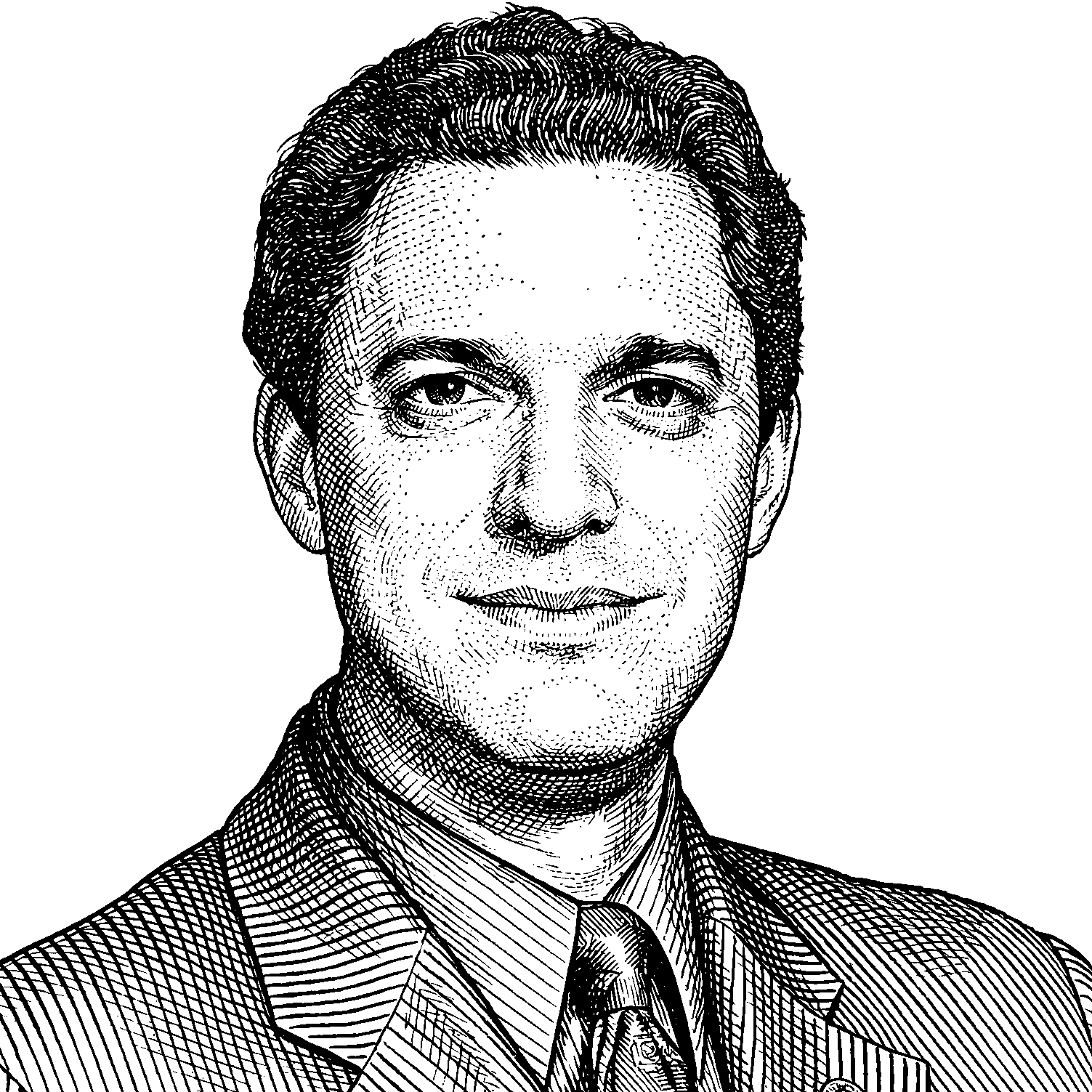
David Silverman is a speaker at MTA conferences.
Transcript
Paul Reeve
Welcome. My name is Paul Reeve. I am an Associate Professor of History at the University of Utah. I am a Mormon. Apparently being a Mormon at the University of Utah somehow situates me somewhere between the Religion Department at BYU and the American Atheists. So, I am the moderator tonight. It’s my pleasure to welcome you, and particularly the atheists who are here for your convention. Welcome to Utah, welcome to Salt Lake City.
Paul Reeve
We have a few housekeeping items to take care of in advance, and then we will begin our discussion. First off, this panel discussion is being recorded. The recording is sponsored by the Mormon Transhumanist Association, an international nonprofit organization that promotes radical flourishing in creation and compassion through technology and religion. The recording will be available on the Association’s YouTube channel on Thursday, april seventeenth. More information about the Association is available at transfigurism. org.
Paul Reeve
Let’s see. There are a few items that we also need to take care of. Please silence all cellphones, electronic gadgets, whatever else you may have in your pockets. so that we aren’t interrupted through the discussion tonight.
Paul Reeve
Let me just explain briefly then the format tonight. There will be an opportunity to ask questions. The way that the questions will happen is I’m going to ask you now to raise your hand if you’re interested in writing a question. And Dave Moscato is going to distribute a card and collect those cards. At some point then during the night’s discussion, I will transition from the questions that I have planned towards some potential audience questions. So we will try to facilitate some questions from the audience.
Paul Reeve
And David Silverman was also interested before we began in kind of getting a sense of the crowd we have here tonight. He’s pretty enthused by the atheist turnout. So he asked me if those of you who are atheists would raise your hands. And those of you who are theists. And those of you who are theists. So the Mormons are in the minority in Utah tonight.
Paul Reeve
So let me briefly explain how this panel came about. Dave Moscato, who is distributing these cards, is a public relations director of the American Atheists. And he came across J. B. Haas, Professor J. B. Haas’ book recently published by Oxford University Press, The Mormon Image in the American Mind: Fifty Years of Public Perception. And this is on sale in the lobby afterwards as well. And JB will be available to sign copies. And Dave sent an email to JB floating the idea of a panel discussion that explored the public perception of Mormonism and of atheism. And asked JB if he would be interested in participating in this. JB is a member of the Faculty of the BYU School of Religion at Brigham Young University in Provo. And he then worked through channels to get permission, and that was granted.
Paul Reeve
So for you atheists in the room, for us in Utah, this is evidence that miracles do happen. And I hate to destroy your convention before it even starts, but You know, that’s empirical evidence uh that uh that Short convention. The fact that we have a panel here tonight, but we’re glad that the Religion Department at BYU approved this, and we’re glad that this came about. And JB sent me an email and asked if I would facilitate or moderate this. And I didn’t have to ask permission from anyone but my wife. And she said we didn’t have anything going on tonight. So here we are.
Paul Reeve
So I’m going to just explain the purpose of our discussion tonight. The purpose of the roundtable is to talk about how the public sees Mormons. and how the public sees atheists, what types of mischaracterizations or stereotypes exist on both sides, what Mormons actually believe versus what people think they believe. what atheists actually believe versus what the public thinks they believe. And let me be clear, this is not a debate. It is a discussion with a goal of arriving at a greater sense of mutual understanding. It is an opportunity to break down stereotypes, not reinforce them. It is not about conversion or about who is right and who is wrong. It is about civil dialogue and at attempting to look at theism or atheism from someone else’s perspective. A debate seeks victory, and discussion seeks understanding. And we are seeking understanding tonight, and that’s the purpose for our panel here.
Paul Reeve
So let me just briefly Then introduce, and I’m saying very briefly, I have just sort of sentence introductions here to give you an indication of who is on the panel, and then I’m going to begin by asking them. To give a fuller introduction of themselves. And in particular, what I’m interested in is an introduction in terms of Their relationship to either theism or atheism, sort of their doubt journey or their faith journey, or whatever it may be. so that we have a sense of where they’re coming from. And then I will begin with some questions for the panel. So
Paul Reeve
Farthest to my right is David Silverman. He’s the president of American Atheists. Next to David is Joanne Hanks. She is the author of It’s Not About the Sex, My Ass. We can say that title at the U, but not at BYU. And Joanna, I’m assuming you didn’t get the BYU bookstore to carry your book. No. Not surprising. I didn’t even get to the subtitle before the applause. The subtitle is Confessions of an ex Mormon, ex polygamist, ex wife.
Paul Reeve
And then we have doctor Richard Holtaffel. He’s a professor of LDS Church History at Brigham Young University And then we have Dr. J. B. Haas, who is a professor of church LDS Church History at Brigham Young University and the author of The Mormon image in the American mind, 50 years of public perception. So
Paul Reeve
So, David Silerman, I’m going to begin with you and just ask you to give us just a short introduction. How would you explain yourself in terms of your atheism, so we have a perspective of where you’re coming from tonight? and we’ll just go through the panel that way to begin with.
David Silverman
Do you want me to talk about where I come from from a religious point of view? Okay.
David Silverman
So I’m an atheist. I’m the President of American Atheists, which means I am what’s known as a firebrand atheist. I am the kind of atheist, some people call us the new atheists, but there’s nothing new about us. I follow in the footsteps of Madeline Murray O’Hare. Religion is bad. Religion is a poison. Religion does not deserve to live. Now, that does not mean religious people are bad. It means religious people are victims of a very bad thing that needs to be wiped off the face of the earth. This is what American Atheists is all about. It’s blunt language, it’s honesty. We do not worry about political correctness. However, we do worry about. The perception that people have, because a lot of people think that American Atheists is a mean organization, is a non-humanistic organization, or it is an anti-religious people organization. None of this is true. It is also not true that we are trying to take religion away from people who want it. We are, however. Trying to take away religious privilege from those who have it and make this country a fairer and equal nation. That’s where we come from.
Paul Reeve
Joanne Hanks.
Joanne Hanks
Well, I’m in between, figuratively and literally. I grew up in a strict Mormon family. I graduated from Brigham Young University. I worked for the LDS Church in the Temples Department as an interior designer. I got married in the Salt Lake Temple to a returned missionary. And then five years and three children later, we found ourselves in Mantai in a polygamous cult, and we lived there for seven years. So I’m going to tell you some of the crazy and bizarre experiences I had. One quick example for the women here. Imagine Standing in your bedroom, getting ready for bed, and you hear your husband having sex with his other wife in the bedroom below And you have to tell yourself this is God’s will. So, how would you handle that? Well, the way I handled it which I thought was very mature, was I went to the middle of the room and I stomped on the floor as hard as I could. So I will tell you things that you will go home and tell your families and they won’t believe. But they are true because I lived them.
Richard Holzapfel
I’m a professor at BYU and Got a PhD from the University of California, Irvine. So, as you know, one of the premier Marxist schools in the country. And Foucault and Marx were our theory models that we studied. And so I encountered intellectually atheism there at the university with professors. It was a challenging time because obviously they were raising questions about faith and my own particular faith. And I came to come I came away from UC Irvine with a deep sense that I’m grateful that I live in a democratic pluralistic society in which we not only tolerate different points of view, but we want and encourage pluralism or participation from many points of view. And so I guess my faith journey is my own personal faith has remained strong, but also has become more inclusive to allow other voices and such civil dialogues as we’re having here tonight, I think, only make our republic and our experience here more healthy and more engaging. Thank you.
J.B. Haws
Well, my name is JB Hawes. Thanks to Dave Moscato and to all those who have facilitated this in this beautiful place. We’re so grateful to the Salt Lake City Library for hosting us. I grew up in a small town in northern Utah called Hooper, Utah. It’s west of Ogden. It’s on the shores of the Great Salt Lake. If you have any downtime in your commerce I encourage a road trip. You will never forget it. So, the diversity in Hooper was between farmers who grew tomatoes and farmers who raised dairy cattle. So, it was sort of a A pretty homogeneous community, but I’ve appreciated since then, like Dr. Holstoffel said, I’ve appreciated the chance to live in different places around the country, to engage with different people. I find that that has been a benefit for my faith to communicate with people from different viewpoints. And so I would say that that has been an enriching experience. And has made my faith burn brighter, I think.
Paul Reeve
Okay, thank you.
Paul Reeve
So I’m going to start off with really a broad question that gets at the heart of what we envision this panel accomplishing tonight. JB, because your book got us into this mess. I’m going to start with you. And the question and what I’m going to do is give JB a chance to answer this question and then give the Atheist either Duanne or David or both a chance to give us an assessment if they think this is a valid assessment of how others see Mormonism. Okay. So JB, what’s the greatest misperception that exists in the public mind about Mormonism? The greatest misperception that exists in the public mind about your point of view, the Mormon point of view great question to start.
J.B. Haws
I’m going to say I hope I can say this in the right way. I’m going to say that it is that I don’t think people realize how inclusive Mormonism is. Now that may seem sort of strange to this audience, and they may have a knee-jerk reaction to that, but I’m not talking so much about you know, church structures, the the church practices, I but but I I’m talking about Mormon theology. I think um One of the perceptions that Mormonism has is of being secretive, being exclusive. And I think what gets missed is just how expansive the salvation model is in Mormonism. Maybe even a slightly different Christian paradigm. One of the things that I think, and understandably so, troubles a lot of people as they look at religion. Is this idea of whatever the faith group is, is somehow condemning a large segment of humanity for not being part of that faith group. And that’s where Mormonism might be unique: is this idea of a universal chance at salvation because of of a theology that that that looks at more than just birth to death and that talks about even post-mortal chances to understand and accept the saving power of Jesus Christ. And I think that’s probably not well understood. It gets out of the level of theology, which is sometimes hard to put into sound bites, but I think that makes Mormonism more inclusive than would be guessed at first blush.
Paul Reeve
Okay. David and Joanne, you have a chance to give us your assessment. Is this a valid assessment of how others May see Mormonism or response to JB’s characterization here?
David Silverman
Well, I think his characterization is true. I think his defense is flawed. I think that, yes, the inclusiveness and the shunning and the outgroups of Mormonism is clearly what everybody thinks about. I think the fact that you defend that by saying, well, everybody can become a Mormon and everybody can get saved, that’s not inclusiveness. Okay? Inclusiveness includes people who want nothing to do with you. Okay. And the idea that I would like to raise to you, and maybe you could address it, is well, there’s twofold things I’d like to push to you. Number one is when American atheists came here, We tried to get billboards. None, none of the Utah based billboard companies would do business with us. They didn’t care about the message. It wasn’t about the message. They would not do business with us. The malls would not do business with us. This is not inclusiveness. This is not. That’s the very definition of the outgroupness, of exclusiveness. And the other side of the same coin is that one of the things that we’re doing at this convention is we’re raising money for a charity. that helps children who have been thrown out of their Mormon houses because they’re atheists or gay. That’s putrid. That’s disgusting. It’s barbaric. And it’s the exact opposite of inclusiveness. So I’d like you to address How Mormonism is inclusive to people who are not Mormons, don’t want anything to do with Mormonism, don’t want anything to do with your religion. They want to live their lives, they want to be Jews, they want to be Catholics, they want to be atheists. why are they not welcome to do business with some Mormons? Or I should say the perception is they are not welcome to do business with, they are not welcome to be friends with Mormons. And if they leave the Mormon fold, they’re not supposed to even be involved with their own family anymore. That’s what worries me.
Richard Holzapfel
Well, you know, maybe I can respond to that. I think that’s a really excellent I was kicked out of my house because I wanted to be a Mormon. I was 18 years of age. And how, and from what were you raised as? Nothing. Atheists? No, you want to? No, no, no, no. I didn’t say they were atheists. Because that doesn’t happen. Yeah, yeah.
David Silverman
But what I’ve learned is that. That no matter what group it is, whether your parents are hardcore Democrat and you want to become a Republican or they’re a hardcore Republican, there’s always individuals who make choices. Now in my Mormon faith, I would never disown a child for whatever reason they chose. Because that would be putrid and barbaric, right? Right, right.
Richard Holzapfel
But but I do recognize that in all communities, whether it be in Moscow, Idaho or Moscow, Russia, There are people who make their own personal choices, but I don’t think you can make a group responsible for individual choices because I don’t know anything in my Mormon faith that tells me. That if a child chooses not to be a Mormon, I must throw them out. I don’t know anything in my faith that teaches that. Joanne, would you like to talk about that?
David Silverman
Now, I’m not saying that there aren’t Mormons, it’s just so widespread. It’s just so widespread that we hear over and over again. I can’t talk to my Mormon family anymore. I can’t come out as an atheist because I’ll lose my whole community. I can’t come out as an atheist because I’ll lose my job. This is. This is the byline. This is the standard line that we get when we’re dealing with people who are leading the Mormon faith.
Paul Reeve
Let me just interject here and then
David Silverman
Richard, I’ll give you a chance to also respond here. I think one of the points then is that maybe that’s The only story you’re hearing, right? You’re not hearing the other stories. Joseph Smith articulates and position a faith claim for Mormonism. We claim the privilege of worship beyond Almighty God according to the dictates of our own conscience and allow all men, and I would say women The same privilege, let them worship how, where, or what they may. Right? So let me just interrupt you and ask a question. Are you three saying to me? That there is nothing in Mormonism that produces shunning. There’s nothing in Mormonism that endorses and exclusionary mentality. Is there nothing there? Is that completely wrong? Well, I mean, I’m again, we’re talking about groups I’m talking about Mormon faith, Mormonism.
Richard Holzapfel
My experience at UC Irvine suggested that there were some professors, when they found out I graduated from BYU and that I was a person of faith, shunned me. Does that mean every atheist is a bad person? No, that particular person chose that. So I’m saying in my faith, there’s nothing that I’ve been taught or that I teach that says that we should shun. Now, I’m not your experience is your experience. I mean, that’s legitimate, but I’m telling you my personal experience. And I know many people whose children have chosen other lifestyles. And that they’re part of the family. I’ve been on family reunions with them. I’ve been on family trips with them. And it seems to me they have very normal human-family relationships. Does it mean that all Mormons do what they’re told? Not all Mormons live to the ideal. But it’s not a Mormon ideal to shun. Do you have anything more?
Joanne Hanks
Well, I feel like I was a victim of Mormon doctrine from the start. If you look at a polygamist community, you’ll see that they are trying to live the doctrine that Joseph Smith set up. And so the church has changed over the years greatly from what it was in the beginning. And so, for example, Joseph Smith taught that the priesthood was for blessing as well as for cursing. So in our group in Mantai, our leader decided that since the end of the world was coming We needed to we were the elect down there, and we were going to prepare for that. We sent out our Twelve Apostles on a mission across the United States and As per Mormon doctrine, they cursed the state capitals Any Mormon temples they came across, they went out in the trees, put on their white robes, and in the chore of prayer. Ask God to seal up the government for destruction because it was so wicked. So I believe that because of my upbringing, every little step led to nuttier, nuttier beliefs. And that’s how a cult sucks you in. And so it’s easy for me now to see how I was fooled and how silly it all was, and it was like dominoes falling. You know, once I’ve I first realized that that these things were so ridiculous, then pretty soon You know, in my book, I say George Carlin was my savior. Because I had been thinking. Things after we left the cult, and then I saw him on TV, and the things he said were exactly what I was starting to think. it made so much more sense than what I had been taught my whole life up to that point.
Richard Holzapfel
Yeah, back to your point though. See, I think this is another characteristic Where your experience, it’s legitimate. It’s your experience. But it’s not my experience, and it’s not the larger Mormon experience. So, with stories like this, the public perceives that that’s my experience. That’s simply not the case. I’ve never dressed up in white robes and cursed anybody. That’s not my faith. My faith is to go do good to people, to help people, no matter what their faith is. As you know, we pay a fast offering every month. We give to humanitarian services. We give our time freely and we serve. To all people. We don’t ask them what’s their faith. Are they faithful or not? We send money we send goods to Muslim countries and to also to countries that are, by and large, non-religious. So, your experience is a minority experience within a subgroup of my faith. So, you telling that story makes people think that that’s what I believe. It’s simply not the case. I have never done anything you’ve said, not once.
J.B. Haws
Could I jump into you, Paul? One thing that I I appreciate about Joanne is I think she’s careful to distinguish between this sort of extremist, fundamentalist type of of of polygamy and and mainstream Mormism. So I really appreciate that. I think that’s that’s one of the really common misconceptions that I I think people like Joanne are are helping to sort of correct because I think she’s careful at that. And so I think that’s a huge point. But a story comes to my mind, and I think this captures well Maybe the ethos of Mormonism. Jesus and two of his apostles were in a Samaritan village. And the village rejected Jesus’ message, and sort of maybe a human, this rising temper sort of mentality, they said to him, Lord, should we curse this village? And Jesus rebuked them and said, You know not what mind you are. I come to save people, not to curse people. And I think that captures the way we feel as Mormons. So. While I am always sad to hear about stories like this, one of our current apostles, Russell Ballard, from a general conference, a worldwide meeting of Latter-day Saints. He spoke out explicitly and chastised any Mormon who has ever kept a child from playing with a friend who didn’t share their beliefs or who has shunned a neighbor. I’m sorry we’re not all up to that standard, but there is nothing in Mormonism that would condone the type of behavior you’re talking about. So, where does it come from? Human nature?
David Silverman
No, it it it seems to be much more often. Okay, seems to be. Yeah. Seems to be much more related to Mormonism than Catholicism or Judaism or Christianity. The stories that I get, and I get because I’m President of American Atheists, I get all the stories And yeah, I get hate. You know, all religions hate out-groups. That’s what they do. But the shunning, I won’t let my kids play with your kids. You can’t stay here if you’re not like me. Overwhelmingly is Mormon. Where does that come from if it’s not Mormon doctrine?
J.B. Haws
It may also just be a sociological sort of. Feature of being a dominant group. I think this is maybe a reflection more of a majority group. I would guess that, especially from if you take a survey around the country, people in Utah Or just sort of Mormon corridor, would have a different experience with their Mormon neighbors probably than outside of Utah. And I think that’s important. Just a sociological reality about the way dominant groups behave. I I don’t think there’s there is nothing in Mormonism that would condone this.
Paul Reeve
But in fact, opposite. In in fact, let me tell you what my Utah history class reads The Last Day of Class, an article given at general conference by an LDS apostolate just to deal with this very issue that you’re talking about, David. Sort of, it sort of inhabits sort of the elephant in the room, right? In Utah, sort of this cultural divide. Are you or aren’t you? And then people make up their minds about you, whether you are or you aren’t Mormon, right? And there are all kinds of stereotypes from both sides. And one of the things that I try to get out of the last day of my Utah history class is that very cultural divide, and I allow students to share these stories. What’s it like? Mormons who are outside of Utah love to tell stories about being the only Mormon in their high school, right? But Mormons don’t stop and think what it’s like being the only Catholic or the only atheist in an all-Mormon high school, right? What’s it like? And sometimes the stories are barbaric. You’re absolutely right. And I think it comes with sort of this majority mentality, right? The tyranny of the majority, Alexis and Tocqueville called it. And you sort of see that playing out where you have one group sort of dominating the culture. But one of the things I have and read, I have read an article about called Culture Shock: People Coming to Utah and Experiencing Culture Shock and Feeling This Sense of Exclusion. But I also assign a talk that was given by an LDS apostle called The Doctrine of Inclusion. And he says explicitly: there is no doctrine of exclusion in Mormonism. And he. Casigates Mormons who don’t allow their children to play with non-Mormon children. It’s preached from the pulpit in general conference, and yet you still sometimes have Mormons. who actually do it, right? So that’s the disconnect that I think the panel is getting at. And that’s my experience in the classroom with students who have grown up in Utah. And you’re right, some of these experiences are terrible, absolutely.
J.B. Haws
Say one more. I’m sorry to keep harping on this idea of inclusiveness, but I mean just maybe a theological basis. In 1978, the church’s first presidency, that’s the The highest council of church governance for Latter-day Saints issued a statement, so an official statement highlighting Celebrating the fact that God has inspired humans throughout human history. Confucius was named by name. Muhammad named by name. You know, Plato, yeah, Socrates, the founding fathers. And I think that is also something that maybe highlights and speaks to the inclusiveness of Mormonism: this idea that God is working. Through so many other faiths to improve the condition of humanity, and that all goodness is there’s in no way do Mormons have a corner on goodness. And so celebrated, officially celebrated the God’s inspiration and all of these other thinkers.
David Silverman
Is there any sort of a penalty for breaking that rule? Because it seems to be, like I said, seems to be. broken regularly? I mean, is there anything that says, okay, well, if don’t do this, if you do this, bad things will happen. Anything like that?
Richard Holzapfel
That’s a really good question. Do you see how if there was Than the other stereotype that we’re dominating, we don’t let free thought. See, by punishing somebody, then the other idea that Mormons are closed and we all think the same way. So it’s kind of a catch-22. How do you have openness yet and not dictate an individual conscience?
David Silverman
All religions do that, though. All religions have a negative. All religions have a hell. You have a version of hell.
Richard Holzapfel
Well, I mean, we obviously believe that if you’re not a good person, it doesn’t matter who you are. If you’re not a decent human being, you’re in trouble. Well, that’s what I mean. And you define what decent is.
David Silverman
So if you’re defining decent as being inclusive. As being really inclusive of everybody and not shunning. Is that a factor? Is that considered a factor when you die and you have this judgment?
Paul Reeve
Absolutely. Oh, you bet. Absolutely. 100%. Interesting. Sure. Yeah.
Paul Reeve
Okay, so I’m going to then give the atheists a chance to either David or Joanne. David, why don’t we start with you? What is the greatest misperception that exists in the public mind about atheism?
David Silverman
Oh, there’s lots of them. I would say the greatest misconception about atheism is that we’re not nice people. I think that a lot of people think that morality comes from religion. Religion teaches that. Morality comes from religion. And therefore, if you don’t have religion, you don’t have morality. So, I think the greatest misconception of atheism is that we’re not nice and/or immoral, which, of course, cannot be the case. It cannot be the case because all the data. Combats that. The population of people who are non-religious in this country, depending on your polls, goes somewhere between 15 and 30 percent. the population of atheists or nonreligious people in federal prisons is 0. 07%. 0. 07 of one percent So, the amount of people, the amount of atheists who are committing crimes, is tiny compared to the amount of atheists out there. On the other hand, if you look at it from a morality perspective, From an outside perspective, you can see what’s happening. People change churches for a reason. They change churches because they don’t agree with the church they’re in. If they don’t agree with the church they’re in, so they say, okay, well, this church isn’t doing something, it’s not striking my moral fancy, I’m going to go to this church over here because it does. Well, that means morality is independent of religion. And then what they do is they go to this church over here that says, okay, your morality is correct, and God says so, and then they say, Ah, God gives me my morality. Right? And it’s kind of backwards, but that’s how it works. The reality is that every single human picks their own morality. Morality is relative. And everybody picks it, everybody chooses it. The only difference between an atheist and a theist is that an atheist will internalize it and say, This is my morality. And a theist will say, This is my morality because I get it from my religion.
Paul Reeve
So from the other side, is this a valid assessment of how perhaps Mormons see atheists or outsiders see atheists? Is this something that inhabits your perception of atheism?
J.B. Haws
Boy, that’s a good question. This is maybe a good time to interject, especially for the record that I do not speak officially for the Church of Jesus Christ of Latter-day Saints. It’s okay, we’re going to take it like you do anyway. I’m glad. Yeah. We may find out about shunning, won’t we? You know, I don’t think so. Especially about the part about kindness. I wouldn’t guess that’s the common. And you know, that hasn’t been my experience. This may be one of those difficult things again where it’s based on anecdotal things. I wouldn’t say that about kindness. I think there probably is. Sort of an uncertainty about the moral basis, you know, the basis for moral judgments among atheists. But I I don’t think that that people maybe, you know, in my experience, would paint atheists with a broad brush of saying unkind, that they’re unkind. Because I would guess instead that they f would feel like that that maybe uncertainty is probably a better way of saying it. Just an uncertainty about on what they base their moral judgments. I think your part point about m uh maybe a militancy is is is probably that in from my experience seems more valid. They would think that atheists, generally speaking, are um Are a little more militant. That might be a misconception. Yeah, I’m sure you do. I hate that word. I’m sure you do. I’m sure you do. But I would think if we’re talking. Firebrand. Yeah. Fervent. I would think in terms of following conceptions, I would think that that’s probably a word that I would think a lot of people associate with atheist.
Joanne Hanks
I’d like to address this idea of militant. We’re talking about, I think, superficial things. Are we nice to each other? Do we misjudge each other? I think in the world, everybody is going to judge somebody for some reason. If it’s not religion, it’s going to be race. If it’s not race, it’s going to be income. What I’d like to point out is that If we go beyond the superficial, and I think a lot of the problems in the Mormon Church are based on the doctrine from the beginning, from Joseph Smith, Brigham Young. That’s some things that I feel I know a lot about from being in this cult because we studied it inside and out and we tried to copy Joseph Smith’s lifestyle. And if you study that, which most people don’t, they talk about the superficial Even Mormons don’t know their own history. You get back. For instance, Work for the dead. Now there’s something that probably brings up a lot of misconceptions about Mormons, is their work for the dead. And I don’t blame you. I think it’s bizarre. I don’t think that there are ghosts that come out of our body and float up somewhere, and that death is not really death. And that you can talk to people. In Mantai, we had prayer sessions, we called them. Really, they were seances We’d get in a small room, pray, we’d call up people from The other side of the veil who had died. For instance, one time we called up Abraham Lincoln. And of course, he showed up. And we couldn’t see him, but Jim’s wife, Elaine, was voice, and she said, you know. We call Abraham Lincoln through the veil. Are you there? And then she would say, Well, yes, I am. Thank you for inviting me. And I was there. And he was so complimentary. He was so grateful that we had called him and given him an opportunity to become a member of our church. And apologize for the things he did in history and that he wasn’t more helpful to the Mormons when he was alive. So about misconceptions, those kinds of realities, those kinds of Of Mormon doctrine from the past that the current church doesn’t want to talk about. They don’t want to talk about polygamy. You know, anybody who’s a polygamist is excommunicated. Yes, I am. So the misconceptions come from the reality Of the foundation of the church, and they can’t change that. And that’s why I became an atheist, because I learned that the foundations were ridiculously crazy, and and everything was just a story, uh fantasy. And And that’s not what I believe anymore.
Paul Reeve
Okay, so I’m going to give the BYU professors a chance to respond.
J.B. Haws
Well, I’ll just say, and boy, sorry disbelaboring the point, but again, I think Joanne characterizes this really well. I mean, this is a a very, very fringe group of a couple of hundred. I mean, she describes it really well. I mean, in and just the bizarreness. You would have gotten the same reaction in a crowd this size of Latter-day Saints as you would have in this crowd. They would have shaken their heads, they would have laughed. I mean, this is this is unfortunate and and really bizarre and and so far from the the the mainstream church. Krister Stendhal, who is the the dean of the Harvard Divinity School and a Swedish cleric He saw it completely different. I mean, and obviously, he’s a theist, he’s a believer, but he used the phrase holy envy to talk about Latter-day Saint baptism for the dead. He saw this as a beautiful expression of a desire to want to open the doors of salvation to To every person who had ever lived. And he said he felt holy envy, that he wished that was part of his tradition because he thought it was motivated by the highest ideal. And so that’s a much different picture from that in the mainstream view.
David Silverman
Can we talk a little bit about baptizing dead people?
J.B. Haws
I’ve got to put in a preposition in there, or it doesn’t work. So, yeah. Well, okay, so I just want to make sure we are talking about Mormon doctrine.
David Silverman
When we are talking about baptizing dead people, okay, but let’s also be clear that we’re breaking down stereotypes, right? And so the way that you’re characterizing this is reinforcing stereotypes instead of breaking them down.
Paul Reeve
How do I rephrase it? How do I rephrase it? So you sort of. Said that as a joke almost, right?
David Silverman
So I just want to make sure that baptizing dead people, right? So it conjures images, right? So some of the images that come up in people’s minds are. Mormons are digging up graves, sort of gaptures.
Paul Reeve
That’s not where I’m going. That’s not where I’m going. Exactly, how does this take place?
David Silverman
And sort of, those are the kind of stereotypes that sometimes get associated with this. What’s the word, the process, for what you do with dead people to save them in the afterlife? So it’s baptism for the dead. For the deads by proxy, is how Mormons describe it. Baptism for the dead.
David Silverman
Now, the thing about dead people, just like Abraham Lincoln, they actually don’t have the ability to talk. Okay, and I think we both agree with that, but the relatives do. And when atheists have funerals, when people die, we have a funeral, we have a mourning session, but it’s for the living. Nothing’s for the dead person. The dead person’s dead. Nothing can be done for the dead person. But the memorials are for the living. So I’m thinking, all right, I die, and then somebody Performs a baptism for me, if I’m using the correct term. And I won’t know and I won’t care because I’ll be dead. But everybody Just about everybody in this room, because they’re all atheists, but certainly, certainly, my family would be appalled. would be appalled that somebody would take my memory and say, okay, he’s now a Mormon in the afterlife. So my question is: do you understand How awful that is for the survivors. And at the same time, would you accept it? if, let’s say, the Catholics were to baptize Brigham Young as a Catholic after he bet.
J.B. Haws
You bet.
David Silverman
You’d object. Oh, no, no, I would accept that. No problem. You would accept that. Oh, sure.
J.B. Haws
But this is the difficulty. This is the difficulty. I’m in the vein of Christer Standahl. As a believer and as seen, this is a beautiful thing. And I can see why it’s offensive to you. Please don’t misunderstand. But from a believer’s standpoint, I think that’s a beautiful sentiment that they think they care enough about people that I care about that. That they want the best possible future for them. So, to me, it’s motivated by beautiful sentiment. But I certainly can see why it would be offensive to you.
Richard Holzapfel
Let me clarify just a couple of things. First of all, there is a policy that I can’t, if you died today, I couldn’t be baptized for you. Okay? Why? Because you just died, and I’d have to have your family’s permission to do so. You’d have to have my family’s permission. I’d have to have your family’s permission. And Frank. Again, you’re not helping the situation here because that’s against church policy. That was a rogue Mormon doing it. But that was not the church’s position. The church’s position is you have to have family permission. But see, I see baptism of the dead. Get away from the kind of strange idea of proxy baptism. Simply, I’m having a party, and I’m going to turn 60, and I want to invite everybody to come. So I’m going to send out an invitation to everybody. Hopefully, you wouldn’t be offended getting an invitation from me. But you have the choice to accept that invitation to come to my party. So, Mormons are simply inviting everybody to come to this party. In the world to come. If you don’t want to come, that’s your choice. But don’t be offended that I sent you an invitation. But you’re saying that you’re saying for dead people that they’ve accepted the invitation. You are saying for the dead, aren’t you? No, no, no, not at all. Not at all. It’s not a Mormon position. We have this is simply an invitation. Anybody can choose to accept it or reject it. So the point is this. The point is. I’m inviting you. Don’t be offended at my invitation. I’m going to accept the fact that you choose not to come to my party. And that’s fine.
David Silverman
How many dead people? Do not choose to come. When I turn 60 and we’re at the party, we’ll find out how many people show up.
Richard Holzapfel
Now, you’re avoiding the question, though. I mean, you’re implying that there’s an opportunity. Option for dead people to withdraw to say no, but dead people can’t communicate. My impression is that you accept, that you o Perform baptisms for all the dead people that you perform baptisms for, and they and you say they all say yes. No, we did not say that.
Richard Holzapfel
Okay, good. Tell me more. We don’t know who accepted it. You don’t know who it’s. We have no idea until the party comes. Until you die. Yeah, that’s right. So the point is: this is that there are rogue Mormons who do things, and doing those baptisms is wrong. That’s wrong. That’s not our policy. So we don’t baptize, I won’t baptize you when you die. But the point is that our baptisms are really an invitation. So we start off this discussion by you saying that everything you’ve heard about us is that we’re exclusionary, that we stay to ourselves, that we shun people. Now, you’re arguing that because we invite everybody to join us, we’re somehow bad. So, we’re either or we shun or we are over.
David Silverman
No, I’m not saying that it’s an invitation. What I’m saying is that you’re going off and assuming that people are accepting and accepting dead people. Okay, those people are now more. We’ve never assumed that. Good. Never. Yeah. So now you understand this just a little bit better. Yeah, I’m trying. And I’m asking. That means I’m asking hard questions, but I’m not accusing, I’m asking. So we are inviting everybody to join the party. We’re not focused on ourselves. We’re not exclusionary. We’re open to everybody.
Richard Holzapfel
Well, that’s still exclusionary because you’re inclusionary means. You’re open to non-Mormons forever. You don’t try to change them. That’s inclusionary. But what I’m saying as far as the baptism for the dead. You’re not performing a baptism for a dead person and then assuming and moving forward that that person has accepted Mormonism and calling that person a Mormon. Retroactively. No, we don’t. And they’re not included in our membership rosters. So I’ve seen some newspaper reports where, well, no one there’s so many Mormons. They’re doing all these baptisms, they’re not counted in any number as members of our church. Well, good.
Joanne Hanks
I’d like to make a point on that. I worked in the church office building in the temples department as an interior designer. And I had one experience where we bought a chandelier for the Denver Temple. We got it from Lalique Crystal in France, and I found out that it cost $200,000 just for a chandelier. And the comment at the time was the best for the Lord. And I agreed. And the interior designers loved working there because they got to spend billions of dollars. Since then, and since my experience in this polygamous group, and since becoming an atheist, is It’s really upsetting to me to think of all the time and all the money that’s wasted on things That aren’t real This this conversation about Did the person accept the baptism or not? There is no person, like he says. My parents are temple workers, or they were before they got too old. And it would bother me that they’d spend so much time doing something that I thought was absolutely fruitless. There’s so many things in the world that you can do to help people, and I know Mormons give a lot to recovery after disasters and things. They also put their name on the side of the box so everybody knows, you know, who it’s come from. the millions and billions of dollars spent on something meeting houses on every corner that aren’t necessary. Think of what we could do in this world for poor people, for single mothers with that kind of money and that kind of time.
Richard Holzapfel
I think it’s important to maybe make this point. That while you believe that that service they give in the temple doesn’t have an effect because people don’t survive death. is your opinion. That’s fine. But there’s also something the fact that Mormons live a temple life that can be very enriching and rewarding. A temple can be a place where I can go and meditate about important things. I’ve often felt compelled after temple worship to want to give more in fast offerings, to want to do more service. So, in that sense, I’m not so sure it’s a waste of time, at least from my experience, of being there and just being quiet, away from the world, away from televisions, away from. radios and jet planes, and I’ve walked away literally saying, I need to do more. So in that sense, I’m not so sure you can quantify the effect of that investment. If it does help people to want to look out beyond themselves, to help give more, to help to be more involved, I simply believe that, at least in my own moment and experience. That I feel compelled. And I know that your little comment about we put a name on it. I think almost anybody who’s donating to anything It’s whether it be the Red Cross or any type of outreach, will often identify who it is that’s giving it to them. But I do know that there are certain countries, particularly Muslim countries, in which we Absolutely don’t. We don’t put Bibles in, we don’t put Book of Mormons in. We’re giving it to them because we want to help them, not to evangelize them. And that’s very good. Thank you. No, it’s the right thing to do. So again, while you think it’s a waste of time for the dead. That can be your opinion. I think you might misunderstand that for some Mormons, obviously not for yourself, but for some Mormons, the temple is a place to contemplate, to think, and actually is an enriching experience and has caused me to want to give more. And when I look at it, I just did my taxes, I give a fairly big whack to helping out the poor. And it’s important to do that. And the temple has brought me to that in many times in my life. Could the temple do that without a $200,000 chandelier?
David Silverman
Kind of coming back to circling back around where we started.
J.B. Haws
I think we’ve one thing that we’ve done here, and I really appreciate that we’ve had the time to talk about this, is kind is deep-seated beliefs are hard to capture in short quotes, in media pieces. And that’s what makes this valuable because What I hope happens in terms of misconceptions and misperceptions is to see, to understand maybe a little better the Mormon worldview And for someone for whom this is just absolutely real, and they believe that this is real, that this corresponds well with their worldview and is driven by compassion. And so while you may disagree with the worldview, I hope that what happens tonight is there’s a great understanding that, okay, this makes sense for someone who views the world this way. This is driven by deep compassion about what they feel is the ultimate reality. But that’s hard to put in the soundbox.
David Silverman
I understand, but you’re avoiding the question. I mean, when we talk about the Mormon Church and when we talk about the Catholic Church, it’s the same way. I’m not just picking on the Mormons now. There is this level of opulence. There is this level of opulence beyond ridiculousness. When you have the kind of money that these organized megachurches, the organized Mormon church, the organized Catholic Church has, And you spend, again, I’ll go back to the example, a couple hundred thousand dollars on a chandelier, when that couple hundred thousand dollars could buy a halfway house for homeless people. And then, when you defend it, saying, Well, if I go to this, it’s part of my worldview and I can meditate easily. I’m not hearing the link here.
Richard Holzapfel
I think it’s a good point. But that’s like anybody. We live in an advanced Western society. I’ve lived in non Western societies. And the average home in the United States seems opulent to somebody in West Africa. Yes. Okay? Yet, that person could be giving time and money. Now, for the person in West Africa, say, Yeah, but look at this big house you live in. According to our standards, a below average home size. So that’s going to be a relative issue about funds. From what I do know about the Latter-day Saint faith, is that we give a significant amount of money. And that if you compare us to almost any other group, per capita, we give a lot more to the poor. So we could do something really fun and say, let’s show our income tax from this week. That would be a great idea. What we did. And I think you’d be surprised about how much we do give. I would love to see that.
David Silverman
I would love to know how much money the Mormon Church actually gives to charity. I would love to know that specific number.
J.B. Haws
This is a tough issue. That they’ve wrestled with. I mean, we have, you know, and we take our cues from Jesus Christ. And so, on the one hand, he says, you know, don’t do your alms to be seen of men and women. And that, on the other hand, let your light so shine. So I know the church has wrestled with this, but I think because of conversations like this, they actually have released this. So if you go to Mormon. org, you can now see statistics on humanitarian relief. And I think total given now, goods and services and actual cash donations are well over a billion dollars. Yeah, it’s about it’s about percentage. It’s about percentage. I mean, I obviously there’s some dissatisfaction here, but I I think that that is something you can see. That is something you can’t see.
Richard Holzapfel
I can simply talk about people. I do know that I am compelled because of my faith to reach out and to give. to help. And that’s one of the major things that drives my life. Now I don’t know because I don’t compare with everybody else, but I have a sense from my other family members that on the average, we’re probably doing more service and more giving In our lives.
David Silverman
First of all, that’s great. That’s wonderful. And especially the service, and I really commend that. I just want to ask you one quick question, Richard, and then I’m sure we have another question. And I know you, but when you say And this is quite an important question. When you say we give, and I’m talking about you specifically personally, when you say you give, do you give to Mormon, the Mormon Church, Mormon charities, or do you actually give to secular charities, too?
Richard Holzapfel
Very good question. One of the reasons I do give to Mormon charity is that our monthly fast offering are humanitarian. There are no administrative costs. So when I give a dollar, a dollar ends up with that person. The church covers all the administrative costs. So that’s why I do donate very heavily once a month to our fast offering, which is to feed the poor, to take care of people with immediate needs, and our humanitarian, which goes around the whole world. Despite religious faith or non-faith, it doesn’t matter. I like to give them because there’s zero overhead. Because of the way that we work, that’s all covered. But I also give to other organizations. And the list is quite long because I feel compelled. I’m interested in the American Leprosy Foundation because I’m concerned about what’s happening in Bombay. I give to Free the Prisoners, which is a political organization, arm of Amnesty International, because I believe that we need to help these people. So it’s not just the Mormons, but I freely admit, I like giving to our church because there’s zero overhead, where even these other wonderful organizations Have an administrative cost, and not all of my dollar gets to where it needs to go. So, yes, I do give to the Mormon, but I also give to others. Thank you.
Paul Reeve
Okay, so that was basically the first question. So I’m going to turn to some eyes. Audience questions here, at least so the audience feels like they get to participate. And I’d just like to say I’m having a wonderful time. I hope you guys are too. Amen. Thank you.
Paul Reeve
So so this question, do you feel that religion is here to stay? And this seems more directed toward the atheist side of the equation. And the vast majority of questions here are directed towards the BYU side of the equation here. So I’m choosing this one first, and then I’ll choose one towards the BYU panelists here. Do you feel that religion is here to stay? And if so, is it more important to seek converts to atheism? And prove religion wrong, or to find a way to work with religion.
David Silverman
You want to talk about it, or you want me to do it? Go ahead. All right.
David Silverman
No, religion’s going to die. The reason that atheism is exploding and growing and that all religions are shrinking is because of the knowledge that is provided through the Internet, the conversation that is happening, the debate that is happening. The Internet is making people more skeptical And as long as the Internet exists, that’s going to continue to happen to the point where religion it may not vanish from the world, but it’ll become a non factor like it is in many countries in Western Europe. Now we do need to worry about religious people, though. And when I say worry about them, I’m talking about from a humanitarian perspective. Religion is a poison of the mind. People become it makes people do bad things. It makes good people do bad things. It makes smart people believe dumb things. And it does. It doesn’t make them bad people. It just makes them victims. And so yes, I believe that the conversation does have to happen about should we For lack of a better word, proselytize atheism. There’s a humanitarian argument there. And I’m not sure. How far that goes, but I think, yeah, you are helping a person when you’re trying to convert them out of religion. I certainly think that’s true. And it feels bad because it feels like religion. But it’s still true. So I think the two-part answer to that question is: yes, religion’s going to go away, and yes, we should do everything we can to help it along the way.
Richard Holzapfel
Well, I’m not a prophet, so I can’t tell you what’s going to happen. But we do know from all studies that religion is actually having a resurgence. Maybe not in the West, Western Europe, Great Britain, Canada, United States, New Zealand, Australia, but in Africa and in China, religion is growing. So at least for the foreseeable future, the numbers are for increased religious belief, not decrease. Now, if you look at the United States, you’re right. But if you look at worldwide, The people who are accepting religious belief are outdistancing those who are rejecting it. So, again, I’m not a prophet. I don’t know where it’s going to end, but right now, the numbers are against you. Religion is growing.
Paul Reeve
Joanna, it looked like you wanted to have a comment.
Joanne Hanks
I was going to say, as far as converting somebody in or out of religion, In my experience you can talk to your blue-in-the-face, but until I went through what I went through. I didn’t understand how bad religion was. And that’s why I wrote my book: it’s to get out to people somewhat, if they can empathize somewhat. With what I went through, what with a lot of people who are dissatisfied with their religion. They’re feeling bullied. When you go through those experiences, that’s when you really can make an intelligent decision about whether you believe or you don’t believe.
Paul Reeve
So is the atheist position that all religious people are simply just not aware that religion is such a bad thing, and there will be a point of enlightenment and Atheism is the answer, or can religious people actually be satisfied in religion?
David Silverman
Okay, so there is no one atheist position. Okay, that’s one misconception that I want to make sure. I speak for American Atheists, which is an organization of atheists. I do not speak for all atheists. It’s certainly my position. that uh religious people um need the help out of it. Um can religious people be wonderful people and be part of the society? Of course they can.
Paul Reeve
Can they be satisfied in their religious lives? In fact, live an entire life of religion and be satisfied as a religious person?
David Silverman
I think the data behind that is undeniably true. I think I mean, there are people who do that. So there is no way around that data. Our position is that they would be more satisfied if they were living a life of intellectual honesty.
Paul Reeve
So bound up in that response is an implication that religious people are. Intellectually dishonest. And so I’m going to let the BYU crowd.
David Silverman
Religion is intellectually dishonest, not religious people. Religious people are victims of a brainwashing. Okay. Well, and I just want to make that and I just want to make that clear. I’m not saying that religious people are bad or evil or stupid. I’m saying that they’re victims and that religion is the intellectually dishonest thing. Okay.
Paul Reeve
So, David, I’m going to let the BYU group respond to that. And part of this panel’s whole idea is to tear down stereotypes. And your comments in the Salt Lake Tribune today suggested that Mormons it’s a system of indoctrination. Brainwashing, and so we’re gonna let the BYU crowd respond to that because That could be seen as perpetuating stereotypes rather than stereotypes. I said it was an example of it, but yes, it’s not. I mean, I’m not excluding Mormonism as the only organization, as the only religion that brainwashes. They all do. Right, right. It’s just an example. You seem to suggest that Mormonism was particularly good at it, I guess. Apparently, they are, yeah. So we’re going to let the BYU crew respond to that.
J.B. Haws
Let me make a recommendation for a book that if you just have an hour or two and if you want a delightful read just simply because it’s it’s as Beautifully written is almost anything I’ve read. And of course, you may not agree with it, but Terrell and Fiona Givens wrote a book recently called The God Who Weeps. They’re Latter-day Saints, philosophers, an English professor at the University of Richmond. And it’s short, 100 pages. And I really appreciate their candor, the way they approach it, and their opening page. They deal with the reality that we are presented as humans evidence on both sides of this faith question. That you can find evidence for skepticism, and you can find compelling evidence for belief in God. And so, what they posit is that, therefore, faith is a choice. And so I think any sort of comment or denigration of religiously minded people as being brainwashed. Denies what I think the givens are getting at, which is to me is truer to life, is that all humans make a choice about what they want to believe. Even if that choice is disbelief. And so that there’s evidence, good evidence on both sides. But I would respectfully disagree with anyone who says that a religious belief is a belief that is is devoid of evidence or is intellectually dishonest. I think it’s choosing to take the evidence That points in that direction.
David Silverman
Please tell me the evidence.
David Silverman
It’s the evidence that’s almost transcendent, and that’s what makes it difficult. Now you’re playing word games. If you’re going to say that I’m being, that I’m saying. The wrong thing. When I say brainwashed, I say indoctrinated. You say, no, it’s not indoctrinated, it’s a choice because there’s evidence on both sides. I say the only reason you say there’s evidence on your side is because you’ve been indoctrinated. And I challenge you to give me the evidence.
J.B. Haws
I think maybe four. you know, for the in the spirit of our panel. I think though that that that that is uh that discounts the evidence that uh that I have experienced in my life. What is the evidence? Well, it’s it It’s just because it’s difficult to put into words does not mean it’s real. Well, I’m going to guess, and I’m going to guess that all of us in this room believe things. That are hard to believe based on sensory data. I think love is one of those. I think a sense of wonder at the universe, that the order that they see. I think sort of those moments when you feel that you are part of something larger.
David Silverman
And your personal experience, your personal emotions are evidence for a man in the sky. Or you know that doesn’t make sense.
J.B. Haws
Now, I would say this, though. I would say that I have had experiences, and while you may discount them, to me they are As real as anything, where I know independent of myself that I have experienced these things, and those become so compelling that Nothing can shake me from that.
David Silverman
Nothing can shake you from it. Wait a minute, wait, wait, wait, wait, wait. But this is not because. Please, let’s get through this. Let’s get through this. No cheering. N Nothing can shake you from it. Doesn’t that sound like brainwashing to you? Oh, no, because this is based on my own experience. This is not because of things I learned from my parents. This is not because of things that I was taught in a Sunday school class. These are things that have happened to me personally. Now, while you may not have experienced these, or you may discount that. What cannot be denied, and this is where I would say is that for me, those are real. And so, to call that brainwashing discounts something that has happened to me, and that realm of personal experience. Is sort of the province where I think that’s those are lines that we cannot cross into tell someone else what has happened to them.
David Silverman
It’s not your experience that I’m discounting, it’s your interpretation of your experiences that I’m discounting. When you look at a sunset and you feel awe. I’m not discounting that you felt awe. I’m discounting that you said, I feel awe, therefore, God. Okay, that’s not evidence. And that’s a link. That’s a link. That’s a leap that you’re making. Because you were taught to do that in church or by your family. And atheists feel odd too. You know, I was talking earlier today that, you know, I feel I’m a very. Emotional person sometimes. Okay. People who know me well know that I can get emotional, not just angry emotional, but I can get weepy. I can get emotional. I have a deep love for my wife and my daughter, and I look at a sunset and I’m awed by it. But I don’t take the leap you do with saying that’s God. And I think you have underscored that point.
J.B. Haws
The key is the verb. And this is what I love about the Givens position: it is a choice. And I have chosen to believe based on that evidence, and you have chosen not to. And I think that’s a place where we can respectfully disagree.
Joanne Hanks
I don’t think when I was seven years old and I was being prepared for my baptism that I was making a choice.
Paul Reeve
So, so Joanne, when you moved to Mantai as an adult? Okay, so you made a choice, right? In your book, you say that
Joanne Hanks
In your book, you say that you chose to allow your husband to marry someone else. Right, and that was because of my indoctrination growing up.
Richard Holzapfel
Well, again, your own experience is your experience. And I can’t speak. But I would say the same thing is. For people who lived in the GDR who grew up in an atheist estate, who were taught from when they were young that there was no God. And read anti-religious propaganda that they were being taught. Now, as they became adults, then as they started using their mind, they could sort that out. And that’s why many people In the GDR or the Soviet former Soviet Union, have chosen faith now, even though they were raised atheists, were taught, you could use the word indoctrinated, brainwashed, whatever you want to put. But as we grow older, We have the tools in a Western society to learn to think logically, and that’s when we start making choices. So you made a choice, I make a choice, and I just hope that we will live in a world in which you are allowed to make your choice. And I’m allowed to make my choice. And I think that’s one of the amazing things about this current pluralism that we’re experiencing in America: that you have a choice to believe or disbelieve, that I also have a choice to believe or disbelieve. And not to demonize one another, not to categorize, not to say that all Mormons are this way. I know one Mormon who was shunned, therefore, all Mormons shun. Or, I know one atheist who was a leader of a regime in Cambodia that killed everybody. Therefore, all atheists are meaning and to kill everybody. Hopefully, we’re beyond that. and that we can’t take these sound bites and that we try to talk to one another and to understand one another and respect adult choices.
Paul Reeve
Okay, so I’m going to give one last question here. I promised we have to be out of here by nine o’clock. Whether you’re an atheist or a theist. So, the one last question is question number three. Am I understanding this? That’s exactly right. The last question is question number three, and I promise to give people a chance to. Buy and get JB and Joanne to sign their books. And so those are available out in the lobby afterwards. Just sort of a survey of the questions that are coming in from the audience Richard and JB, there seems to be a lot of concern about how the Mormon Church teaches its history. And so as Church history professors at BYU. Do you feel the Mormon Church correctly teaches its history to its members? That’s the most concise enunciation of this question. Some of them are going over two cards, but they’re interested in the ways that the LDS Church teaches its members its history. There seems to be As suggesting that there are problems there.
Richard Holzapfel
You want to go? I’ll go first in them.
J.B. Haws
Let you join in. You know, this is one where if you haven’t tuned in recently, I would encourage you to tune in recently. I think this is an area where the LDS Church institutionally is getting much, much better. And I I think it does as much about professional tools as anything. The Church History Department in the last decade, so this is the institutional arm of the church that that helps in disseminating history and and doing historical research. Has just really beefed up its staff. Hundreds now work in the Church History Department. The church is producing Joseph Smith Papers. Were they everything that Joseph Smith had his hand on, that he dictated, that he wrote, that he collaborated on, that dealt with his legal cases, that is being published? In book form and on the internet. And if you haven’t read recently some of the statements on the topics page of LBS Daroga, I think you’d be surprised at the candor and the openness of the church. And so I would say this is something that. That yes, it is getting much better.
David Silverman
Now, I think you know where the questions that I’m going to ask, so just go ahead and answer them.
J.B. Haws
As much as anything, I think this is a reflection of A willingness and an understanding of bringing professional historical tools to bear in analyzing documents and situations. So that’s why I said if you haven’t tuned in recently, I think you’ll be pleasantly surprised. And I see this getting better and better.
Richard Holzapfel
You know, we lived in Jerusalem, and my kids went to an Anglican school, a British school. And they were really surprised when they read they had their chapter on World War II because it told it from a British perspective instead of a US perspective. And we started having really interesting discussions about that. Then we moved us to the South. Instead of talking about the Civil War, we talked about the War of Northern aggression. Communities tell their story in a certain way, but like JB, I would say, what the church is doing institutionally today, today is they’re hiring people with PhDs who have been trained in specific areas. And there’s an openness. This Joseph Smith Papers project is unprecedented Everything he’s written, every talk he gave, anything that he touched will be printed, not edited. The original manuscript will be published and the transcript. And then, of course, there’ll be efforts to try to put it in a context of the 19th century. So right now, we’re living in a time of great openness and a great future. We feel like we need to embrace our past, we need to understand our past, and we must do it with compassion. Not to judge people in the 19th century based on 20th century worldviews. So I think we’re living in a great time in Mormon history.
David Silverman
Okay, that’s good. That’s good. You know, mo openness is good. So the question that everybody, and I’m using my psychic powers now, everybody in this audience. Does the church teach about the Mormon massacre? Yes. What do you see? What do you teach about it? Does the church teach that Joseph Smith had a 14-year-old wife? What do you teach about the bad stuff?
Richard Holzapfel
Good question. So, one of my colleagues, Dick Bennett, is here, he teaches a LDS Church History course. Dick, where did you take your students this last semester? Mountain Meadows. Mountain Meadows. Why did you take them there? Yeah, to learn about the horror that happened there, to explain how regularly decent people who love their children, who love their wives, who are building community, could do something so awful. So that’s a religion professor at BYU, BYU students on site reading the documents. So that answers your question. That does answer my question. A BYU professor of history wrote an article called Joseph Smith’s Youngest Plural Wife.
J.B. Haws
It was a BYU professor who wrote that article. Giving telling the life story of Helen Marlowe. Don’t heckle, folks. Don’t heckle. Let him answer. Go ahead. No, that was just the two examples that you raised. So that’s what that is, yes.
Richard Holzapfel
So the question here, I think, is legitimate. What about Sunday school? We are moving in a direction in which we are professionalizing our history and telling our story. Does that mean the farmer who taught Sunday school, who didn’t go to college in his Sunday school class in a small town in Utah, is still telling old stories? Certainly, that would be the case. But from a histo from an institutional position, the church is telling a story in a way it’s never told before, and it’s open. And quite honestly, I’m very proud of what the church is doing in opening the archives, telling the story, allowing historians to look at it. Might I digress?
David Silverman
First of all, go ahead. If I might digress, I’m hearing a general a recurring theme, and that is kind of a no true Scotsman theme. That you have this Mormon church, you have this part, and then you have the polygamists, and then you have these people who are baptizing and Frank. And when I hear things like when you hear things like that, you always say, well, they’re not real Mormons, they’re not part of the church. And it seems to me that there’s a lot of people who call themselves Mormons that you wouldn’t call your that you wouldn’t call Mormons. And what I’m wondering is if is and this is the big question, is the preponderance of misconceptions about Mormonism Do to people who call themselves Mormons, but you don’t.
J.B. Haws
That’s a really good question. I think this again brings us back to where we started, this idea of misconceptions. And so an easy answer is that’s a big part of it. One of the big battles that I think to understand and get a sense of where the Church of Jesus Christ of Lord of the Saints are is Is things like the raid at the FLDS Ranch in Texas and saying, you know, Mormon polygamists, you know, raided. Because that’s an unfair characterization. Those people wouldn’t self-identify as Mormons. I think, generally speaking, Mormons typically, those that self-identify, if you did a study of Mormons nationwide, 99% of them who self-identified as Mormons, used that term, were members of the Church of Jesus Christ of Latter-day Saints. But I can see why it’s difficult for those in the media and those who just sort of have kind of a superficial knowledge to not see some of these offshoot groups as mainstream Mormons. So that is a big a big part of the misconception. That definitely is a very astute observation.
David Silverman
So what are you going to do about that?
Richard Holzapfel
We’re trying to tell our story. And today we’ve come and accepted your invitation to help us tell that story. Yeah, that’s right. So we’re engaged. All right. Yeah. That sounds good. Yeah.
Paul Reeve
Okay. We are going to end our discussion. I want to thank all of the panelists. I want to thank the audience. I want to once again welcome the atheists to Salt Lake City and to Utah and hope you enjoy your convention.
David Silverman
Can I do one more thing before I go? Wait. Got to do a photo. Okay. Everybody, raise your hand if you’re an atheist. Oh, that’s for Twitter right there.
J.B. Haws
Could we give Paul Reeve a round of applause? He’s been wonderful. So, Paul. Thank you so much.
Paul Reeve
Thank you very much. It was a chance to meet JB and Joanne out in the foyer and buy their books. And we do have to be out of here by 9.
David Silverman
And don’t forget the American Atheist National Convention this weekend at the Hill. We’ve got one-day tickets and full passes on sale outside.