Utah: Open for Innovation
Dr. Suzanne Harrison, a Utah state legislator and physician, discusses innovative policies the Utah legislature has implemented to address healthcare, water conservation, and business development. She highlights her work establishing the National Diabetes Prevention Program for Medicaid patients—a lifestyle intervention that saves $2,500 per patient and proves more effective than medication. Harrison also describes new water conservation legislation to save the Great Salt Lake and the creation of a regulatory sandbox that allows businesses to innovate with reduced regulatory burden, including recent bills enabling cryptocurrency tax payments and establishing a blockchain task force.
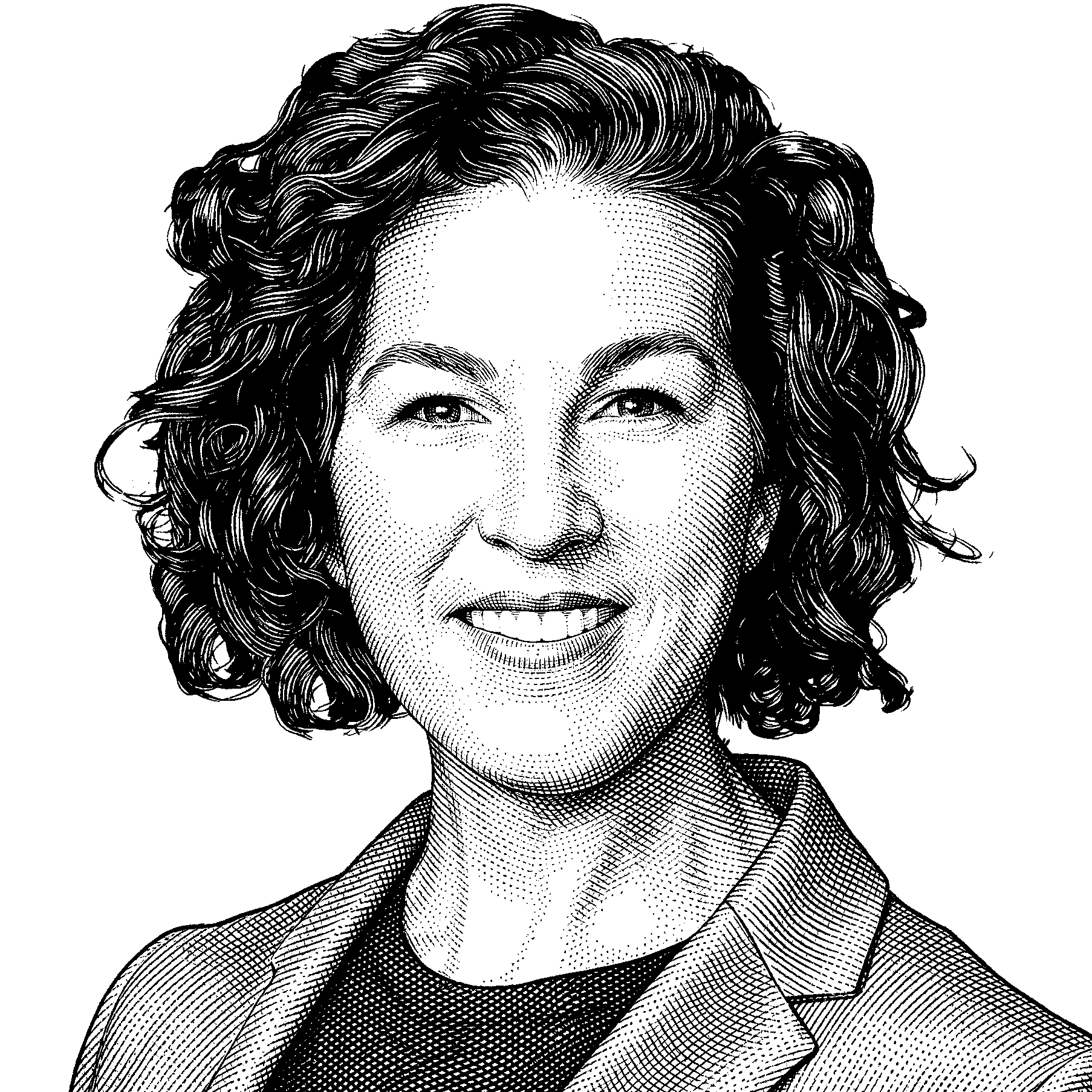
Dr. Suzanne Harrison, MD, is a physician and esthesiologist at Riverton Hospital. She is actively involved in Utah politics, having served in the Utah House of Representatives since 2018, representing the Sandy and Draper area. Dr. Harrison recently ran for the Salt Lake County Council at Large, demonstrating her commitment to public service and addressing issues affecting her community. ¶ Dr. Harrison’s educational background includes a degree from Stanford University and medical school at the University of Utah. She completed her residency at Harvard Medical School. These experiences have provided her with a strong foundation in medicine and a broad perspective on healthcare innovation, topics she addresses through her work in the Utah legislature. ¶ Beyond her professional life, Dr. Harrison enjoys spending time with her husband, John—a VP of Engineering—and their three high school-aged children. She participates in outdoor activities such as mountain biking and pickleball, reflecting a balanced lifestyle and appreciation for the Utah landscape. Her interest in incentivizing clean energy, electric vehicles, and addressing challenges like childhood poverty and gender pay gaps align with transhumanist values of improving human well-being and societal progress.
Transcript
Speaker 1
Dr. Suzanne Harrison, MD, has served in the Utah House of Representatives since being elected to represent the Sandy and Draper area in 2018. She recently filed to run for the Salt Lake County Council at Large. She graduated from Stanford University and completed her medical school at the University of Utah. She completed her residency at Harvard Medical School and works as a physician and esthesiologist at Riverton Hospital. In her spare time, she tries to keep up with her husband and three children on the local mountain bike trails and occasionally beats them at pickleball. Dr. Suzanne Harrison.
Suzanne Harrison
Thank you so much for inviting me to join you today. It’s such an honor. My name is Suzanne Harrison and I am a Salt Lake Countier, but I’m just honored to join you in Utah County. I grew up here in Provo and have a fondness for This community, especially your mountains, they’re just amazing. Thank you for inviting me.
Suzanne Harrison
I have been in the Utah legislature since 2018, and I represent Some of my friends here, Sandy and Draper, in the southeast corner of Salt Lake County. And it was really an honor to have the opportunity to represent my neighbors in the Utah legislature. And I hope to represent even more of my neighbors in the Salt Lake County Council at large this upcoming year.
Suzanne Harrison
In my day job, I am married to a tech VP of Engineering John Harrison. So I have a little bit more discussion of these issues than your average Utah. but I am really excited to learn from you as well. We have three kids, we have three high schoolers, pray for us, this year, and they’re all little mountain bikers, and we just love spending time together. And my other day job is I’m a medical doctor at Riverton Hospital, and it’s a true honor and privilege to help take care of my neighbors in the operating room and helping them be safe. when they’re having some of the most stressful days of their lives.
Suzanne Harrison
I’m excited to be with you today and talk about some of the work that the Utah legislature has done that intersects with your interests. And I realize the legislature is not always the most popular group of folks in a room. And there are certainly areas that we can do better in terms of innovation and improving the lives of everyday Utahns. Some of those areas that I think we can do better in is in incentivizing clean energy and electric vehicles, incentivizing newer and more clean modes of transport, including active transportation. and some areas that we need innovation to address some of the more complex problems in our state, including childhood poverty. homelessness and gender pay gaps.
Suzanne Harrison
But there are, while there are negatives, there’s a lot of things we’re doing right in the Utah legislature in terms of innovation and policy. And I wanted to highlight three of those areas. that we’ve tackled or at least started to tackle in the Utah legislature in the last couple of years. And those areas are health care water conservation and business innovation. And I’ll give you some examples of each of those.
Suzanne Harrison
First off, in health care, we know and I’m certain that you understand that the best way to improve life expectancy and improve health is to avoid disease and promote health. And yet our health care system is entrenched in responding to crisis, responding to disease. And it doesn’t make any sense fiscally It also doesn’t make any sense in terms of health outcomes that we are a responsive health care system rather than moving upstream and helping promote health and prevent disease.
Suzanne Harrison
And I’ve been involved with legislation the last two years, sponsored legislation to address diabetes. It is one area that we know has a huge impact on so many lives. And 25% of health care dollars are spent on treating diabetes and the ramifications of diabetes, which are Devastating. Patients with diabetes are at increased risk for strokes, heart attacks, kidney disease, vision problems, and certainly early death. And yet In many situations, it is one of the most preventable diseases, at least type 2, certainly not type 1, in terms of Changing your life and changing your lifestyle can help dramatically reduce your risk of diabetes.
Suzanne Harrison
And there’s a program called the National Diabetes Prevention Program, which is a year-long Lifestyle change course. It gives patients the tools to empower themselves and take charge of their own health and has dramatic effect in terms of reducing their risk of developing diabetes.
Suzanne Harrison
It’s so effective, in fact. That almost every insurance program covers it, including Medicare, and Medicare studied it extensively and found that Those folks that completed this year-long course that teaches them better eating, encourages movement and exercise, and significant stress reduction techniques They save $2,500 per patient in just the first 15 months after they completed this program, and it has lasting impacts. It’s even more effective. Than taking a pill at reducing diabetes. And there’s not that many things in medicine that we know that the hard work of a lifestyle change is more effective than taking a pill, but this is certainly one of them.
Suzanne Harrison
And yet in Utah, Medicaid patients, some of the most poor and at much greater risk of developing diabetes than your average Utah, they didn’t have access to this course. So the past two years I’ve worked on giving patients access to this course. It’s fiscally the most responsible thing we can do by paying for a $500 Lifestyle change course rather than waiting till patients develop diabetes, and it’s double the cost of caring for someone that doesn’t have diabetes. And this year I was happy to report that it got passed, it got funded, and so many of our patients in Utah have access to this course. Thank you. Very kind. Thank you. Thank you. It was a big lift. It took a lot of work. And I think this is one example of many more innovations. that need to come in terms of moving upstream in promoting health and avoiding disease rather than just treating things at the most expensive point in a crisis.
Suzanne Harrison
A second area I wanted to talk about was Water conservation. And in Utah and really throughout the state, the country and the world, we’re dealing with old laws and old policies. that are not grappling with the ecological realities of climate change and also the impacts of water usage. And this is especially true in one of the second driest states in the country. in the middle of a mega drought.
Suzanne Harrison
And this these policies promote water waste. They promote there it’s a use it or lose it in many situations that if you have water rights and you don’t use every drop, you run the risk of losing those water rights, and it just doesn’t fit with the reality of our climate and the reality of drought. This means that less water makes it drown downstream to our lakes and rivers. This incentivizes water intensive crops and agricultural techniques. And overusage of water degrades our soil.
Suzanne Harrison
And right here in Utah Lake, you have a perfect example of how Water usage policy is creating runoff and pollution with algae blooms every year that are making this treasure not as accessible to the public. And the Great Salt Lake is one of the most recent victims of this. As you know, the Great Salt Lake is in crisis. It is at the lowest level it has ever been. recorded. And this some people are like, so what? It’s like a stinky lake out there, who cares? But it actually has a huge impact on our economic future and also our health. and air quality. If we further lose the Great Salt Lake, we run the risk of toxic dust storms and toxic metal in the air that will certainly hurt our health and our economy.
Suzanne Harrison
I’m really grateful for the leadership of Speaker Brad Wilson this year to prioritize policies that will make a huge difference in revitalizing the Salt Lake by innovative financial Transactions that actually pay water right holders to keep the water in the streams and rivers, to make sure it gets to the Great Salt Lake. This is a game changer and an innovative solution to a huge crisis. And we’ve done work to allow for innovative agricultural efficiencies and water metering, which that alone dramatically reduces water usage. This is a down payment. There’s much work ahead in this space, but the Utah Legislature is starting down that road of innovation.
Suzanne Harrison
The final area I wanted to talk about is business innovation. We a couple of years ago passed legislation I was a co-sponsor for a regulatory sandbox, which allows Businesses to enter into a space for innovation without the usual regulations on them. And it does have oversight, but this year we extended that program to any business can apply. and allows for seven years of that innovative space. This our goal with this is twofold, to assess whether the existing regulations are really necessary and what changes need to be made in that space. and also give businesses the opportunity to innovate and extend opportunities for solving problems.
Suzanne Harrison
Some of the businesses that have done this are in legal innovation And in decentralized finance, and I hope for many, many more opportunities for innovation And the final example that I think you guys will be interested in. This year, I was very excited to vote for bills that allow for you to pay your taxes with cryptocurrency. And also, we established a blockchain and digital innovation task force in the Utah legislature to study this issue, come up with policy recommendations of how we can further innovate and solve problems in our state.
Suzanne Harrison
These bills highlight many of the ways that Utah is innovating in these spaces and finding solutions that help individual people. our environment and also businesses. And I’m so excited to be part of these solutions and plans and to create guardrails that make for a level playing field for all businesses, but also establish some baseline consumer protections as well. I look forward to learning from each of you about what is the best path forward to continue this innovative opportunities in Utah. And thank you so much for inviting me today. It’s an honor to join you. Thank you.