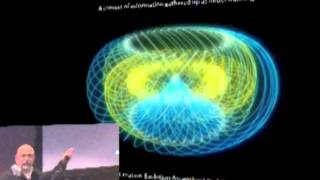
James McLean Ledford is a Christian transhumanist thinker and technologist whose work explores the convergence of faith, reason, and emerging technology. He came to broader attention within transhumanist circles through his participation in the Transhumanism and Spirituality conference held in 2010, where he presented on the theme of Christian transhumanism—situating the aspirations of the transhumanist movement within the theological and philosophical traditions of Christianity.
In his 2010 presentation at the Transhumanism and Spirituality Conference, Ledford engaged with questions central to the Christian transhumanist philosophy: the moral imperative to overcome suffering and death, the relationship between human creativity and divine purpose, and the compatibility of technological enhancement with Christian anthropology. Drawing on scriptural and theological sources, he argued that the pursuit of radical human transformation need not stand in opposition to Christian faith, but may in fact represent a fulfillment of humanity's God-given capacity for reason, creativity, and stewardship. His perspective reflects a tradition of thought that sees science and technology not as rivals to spiritual life, but as instruments through which humanity participates in an ongoing work of creation and redemption.
Ledford's engagement with these themes places him within a growing ecumenical movement of religiously committed transhumanists who seek to articulate a vision of the future that is at once technologically ambitious and spiritually grounded. Unlike secular transhumanism, which often brackets or dismisses metaphysical commitments, Christian transhumanism—as Ledford and others have framed it—insists that the deepest motivations for overcoming human limitation are themselves theological: rooted in love, hope, and the belief that creation is oriented toward flourishing.
His work remains a meaningful contribution to the ongoing conversation between religious communities and transhumanist philosophy, a dialogue that the Mormon Transhumanist Association has been instrumental in fostering since its founding. Ledford's willingness to engage these questions publicly, and to articulate a coherent Christian framework for thinking about technological transformation, reflects the kind of intellectually serious, spiritually committed engagement that this conversation requires.