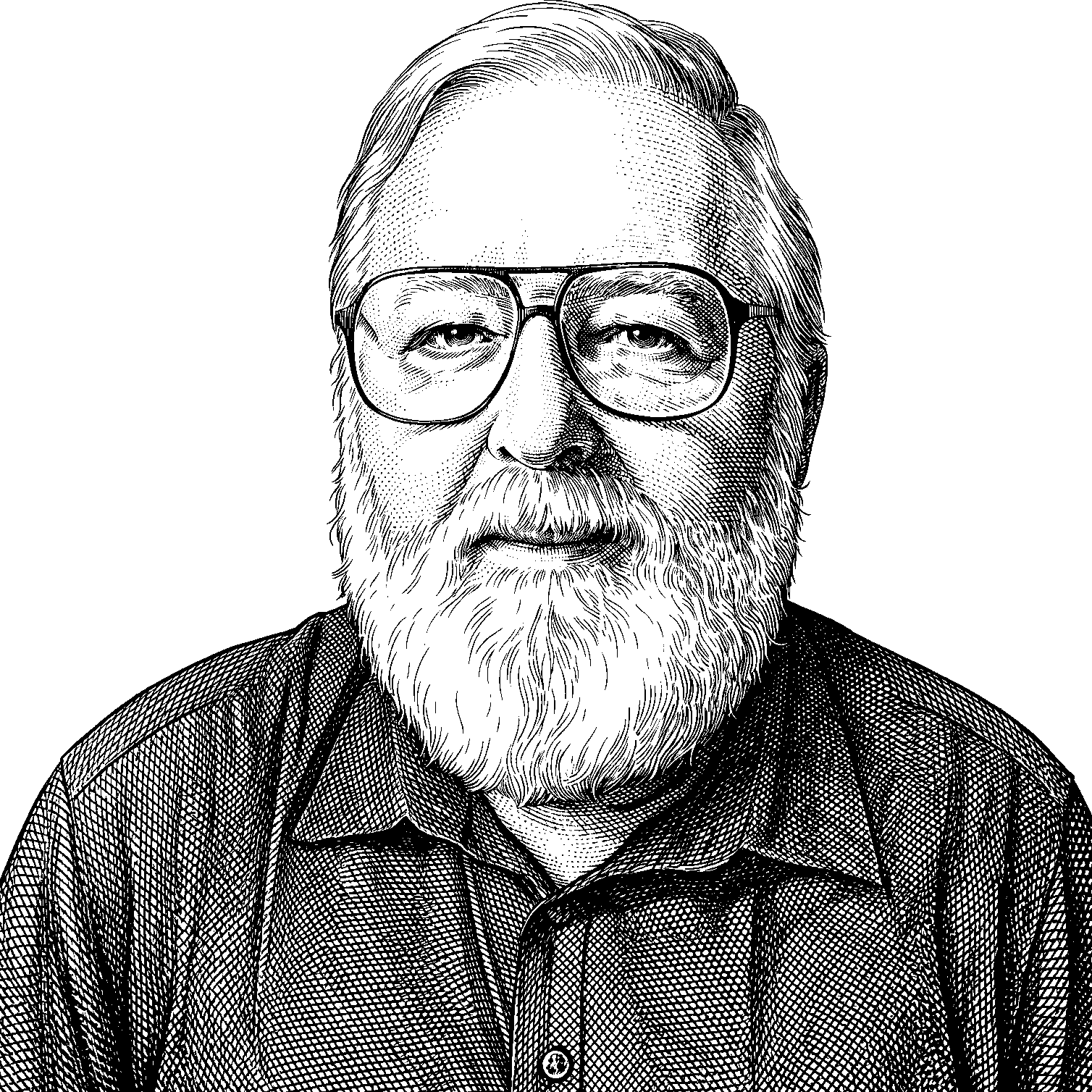
Malcolm Dean is a multi-disciplinary scholar and author whose research explores the fields of complexity science, cognitive neuroscience, and information theory. Currently a research affiliate within the UCLA Human Complex Systems Program and a member of the Higher Cognitive Affinity Group at the UCLA Brain Research Institute, Dean investigates the fundamental physical laws governing mental processes and social structures. His academic tenure at UCLA has been defined by both technical leadership and theoretical innovation, having served as a Principal Editor in the Department of Academic Computing and as a Principal Investigator for several scientific initiatives.
At the core of Dean’s intellectual contribution is the development of "Cognitive Thermodynamics" and the Natural Philosophy of Information. He posits that human belief systems and cultural evolution are not merely social constructs but emergent properties of fundamental physics. In his 2020 work, Religion is Physics, Dean argues for a theoretical framework where social evolution is understood through the lens of entropy. He provides a thought-provoking link between the study of human meaning and the hard sciences by considering religion as a practical application of physical laws.
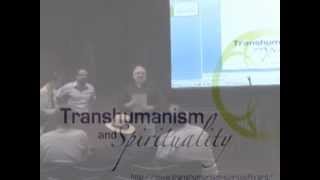
Dean has been an influential figure in the discourse surrounding the intersection of spirituality and transhumanism. In his presentation at the Transhumanism & Spirituality 2010 Conference, titled "The End(s) of Mythology," he explored the transition from traditional mythological narratives to a "scientific mythology" grounded in the reality of an information-based universe. His work suggests that as our understanding of the brain and information theory advances, the ancient human impulse toward transcendence will find its ultimate explanation—and perhaps its fulfillment—within the laws of thermodynamics and computation.
Through his research and writing, Dean continues to explore how the emergence of consciousness and the structure of human societies are dictated by the flow of information. His professional versatility extends into the public sphere as a journalist and computer consultant, allowing him to translate dense scholarship for a broader audience.