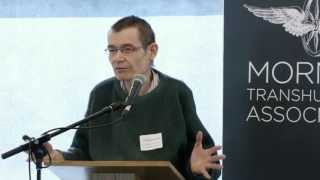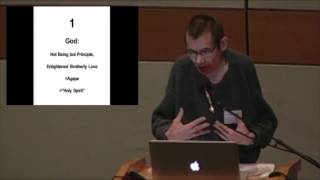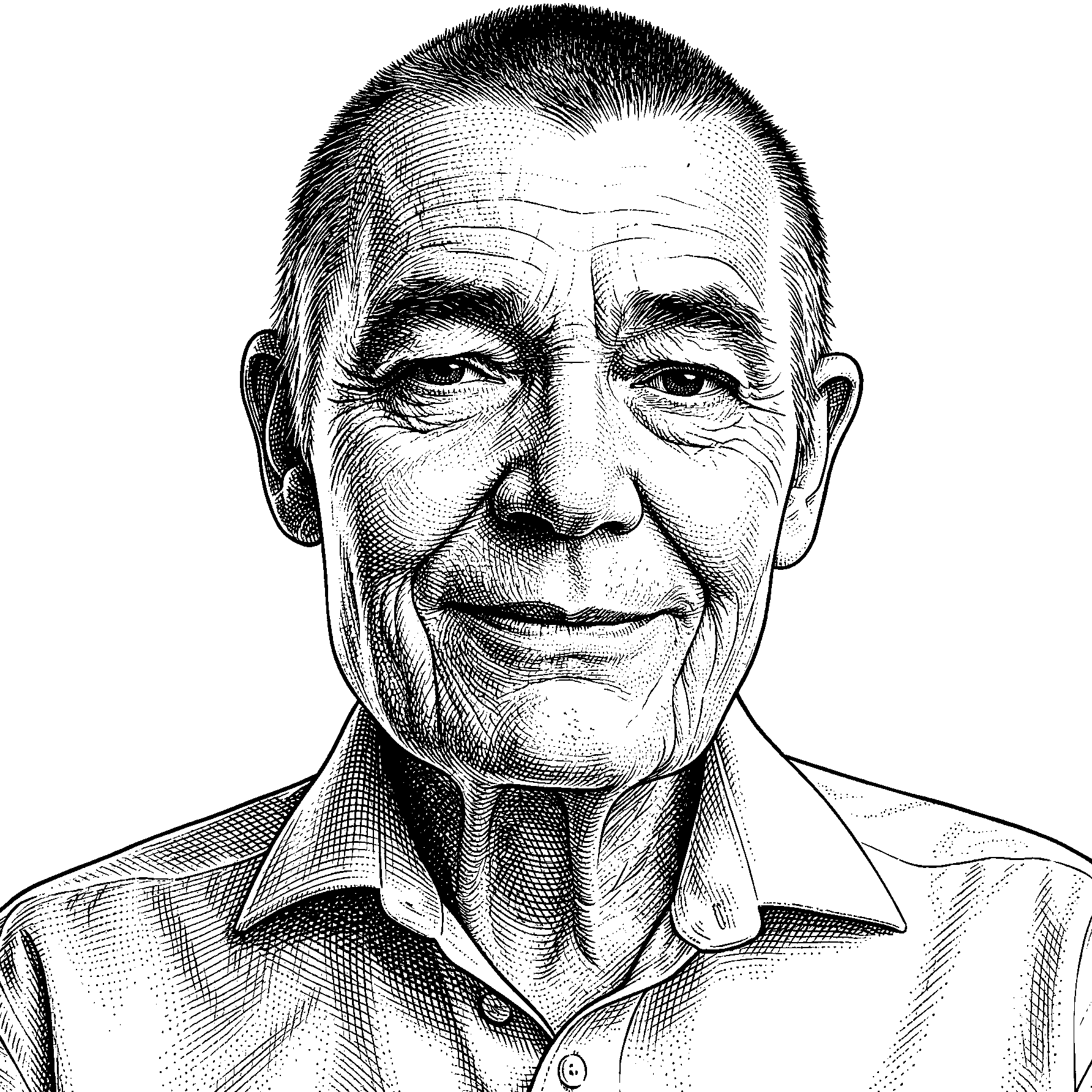
R. Michael Perry, PhD (1947–2026), was a computer scientist, author, and prominent figure in the cryonics and transhumanist movements. For nearly four decades, he served as Care Services Manager at the Alcor Life Extension Foundation in Scottsdale, Arizona, where he oversaw the stabilization and long-term maintenance of cryopreserved patients. On April 15, 2026, Dr. Perry was involved in a fatal motor vehicle accident as a pedestrian. True to his lifelong convictions, Alcor’s DART team immediately took him into care, and he received an excellent cryopreservation. He is now an Alcor patient, continuing his commitment to technological resurrection in the facility he served for so long.
Beyond his technical role at Alcor, Perry was a prolific writer and philosopher. He is the author of Forever for All: Moral Philosophy, Cryonics, and the Scientific Prospects for Immortality (2000), a comprehensive work that argues for the ethical necessity and scientific feasibility of achieving physical immortality. His philosophical outlook, which he described as “Christian Atheist Universal Immortalism,” sought to bridge the gap between religious aspirations for an afterlife and the technological means to achieve it. He posited that a future superintelligence could utilize advanced simulations and information-recovery techniques to resurrect everyone who has ever lived, a concept rooted in the traditions of Russian Cosmism.
Perry’s influence extended deeply into the organizational leadership of the transhumanist community. He was a cofounder and president of the Society for Universal Immortalism and an ordained minister for the Society for Venturism, where he performed ceremonies reflecting a commitment to the scientific conquest of death. Through his long-running column “For the Record” in Cryonics magazine, he became the primary historian of the cryonics movement, meticulously documenting its early failures and successes so that the lessons of the past could inform the technology of the future.
Dr. Perry was a dedicated advocate for the “techno-psycho-cyber-heaven”—a future state dominated by benevolence and universal life extension. Gentle, soft-spoken, and principled, he was an anchor in the cryonics community for decades. He came in early, stayed late, and often remained at the facility for days at a time to ensure Alcor’s patients were always properly cared for. The cryonics movement owes him a debt of gratitude that cannot be overstated. Now, after watching over Alcor’s patients for nearly forty years, it is their turn to watch over him as he rests in cryopreservation, awaiting the future he worked so tirelessly to help create.
His life’s work remains a testament to the belief that death is a problem to be solved through the rigorous application of science, mathematics, and a hopeful, rational philosophy.