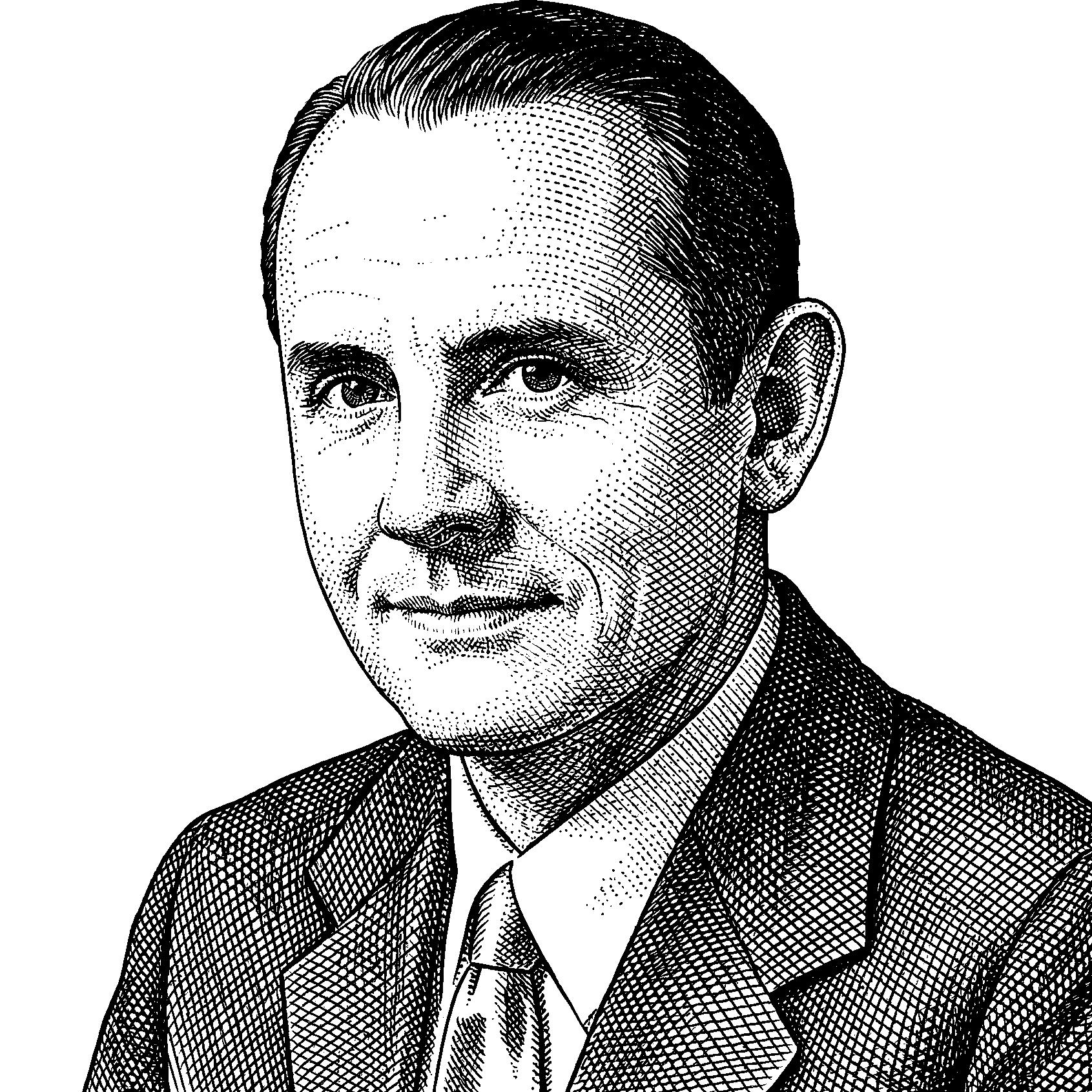
Joseph Fielding Smith on Resurrection
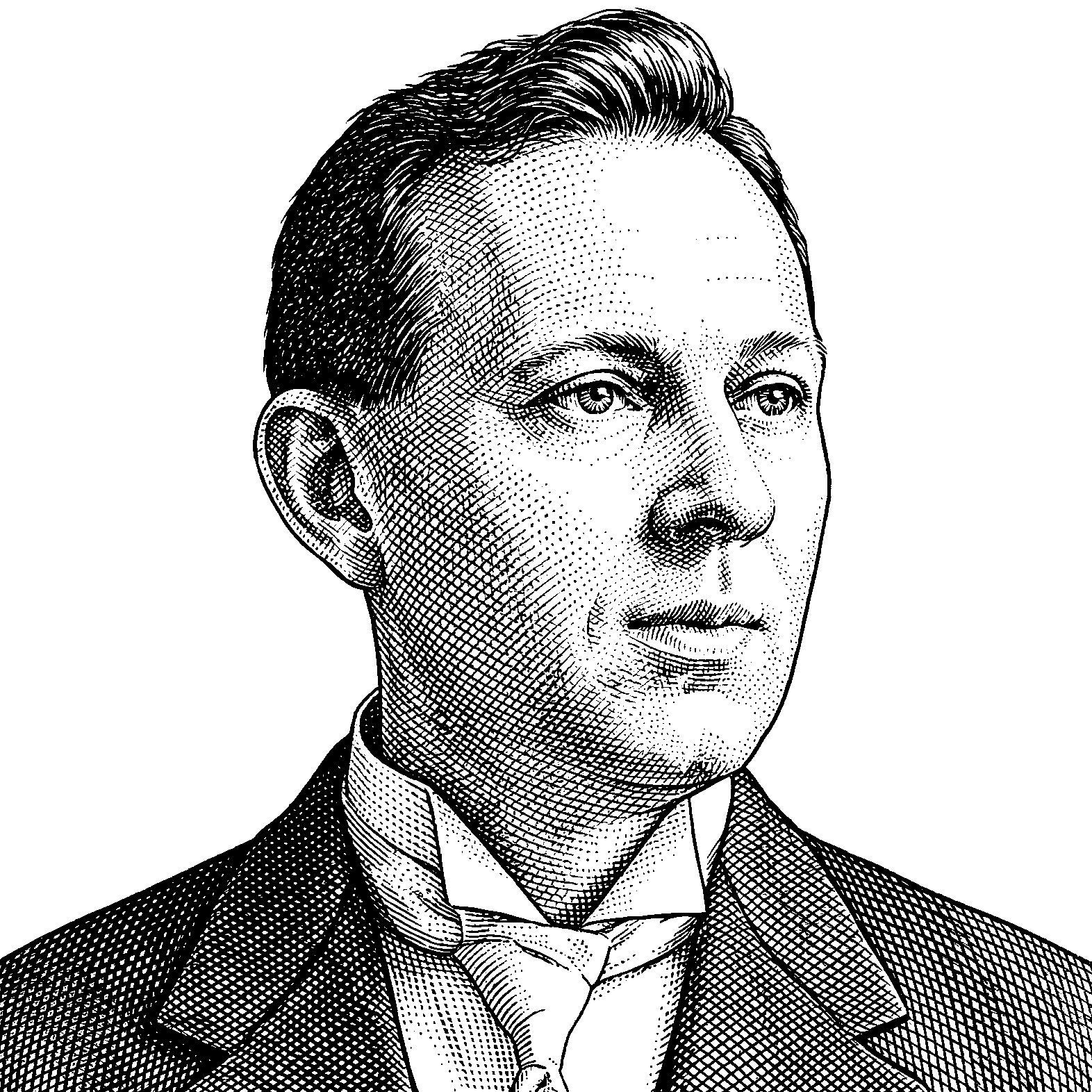
Joseph Fielding Smith
In the resurrection from the dead, the bodies which were laid down natural bodies shall come forth spiritual bodies. That is to say, in mortality the life of the body is in the blood, but the body when raised to immortality shall be quickened by the spirit and not the blood. Hence, it becomes spiritual, but it will be composed of flesh and bones, just as the body of Jesus was, who is the prototype.
These modern blind teachers of the blind who deny the literal resurrection have a very false understanding of what is meant by a spiritual body. They have based their conclusion on the statement that Paul makes that the body is raised a spiritual body and that flesh and blood cannot inherit the kingdom of God. They cannot conceive in their minds of a body raised from the dead, being composed of flesh and bones, quickened by spirit and not by blood.
When Paul spoke of the spiritual body, he had no reference at all to the spirit body, and there they have made their mistake. They have confused the spiritual body, or, in other words, the body quickened by the spirit, with the body of the spirit alone. They think that those who believe in the resurrection of the literal body believe that it shall be raised again, quickened by blood, which is not the case …
After the resurrection from the dead our bodies will be spiritual bodies, but they will be bodies that are tangible, bodies that have been purified, but they will nevertheless be bodies of flesh and bones. They will not be blood bodies. They will no longer be quickened by blood but quickened by the spirit which is eternal, and they shall become immortal and shall never die.
Now if our good friends understood this, they would not fall into this error of thinking that Paul’s doctrine was in conflict with that of the Lord and Savior Jesus Christ, when Paul declared that the body that would be raised would be a spiritual body. You read in the Book of Genesis, where the Lord said to Noah after the flood, that the blood was the life of the body; the blood is the life thereof, he says. Therefore, “Whoso sheddeth man’s blood, by man shall his blood be shed,” because blood is the life of the mortal body.
But with the body brought forth in the resurrection, which is the immortal body, that is not the case. In it blood does not exist, but the spirit is the life giving power. Hence, they are no longer bodies quickened by blood but bodies quickened by spirit, and hence they are spiritual bodies, but tangible bodies of flesh and bones, just as was the body of the Son of God. Now this is the doctrine of the Lord and Savior of the world.